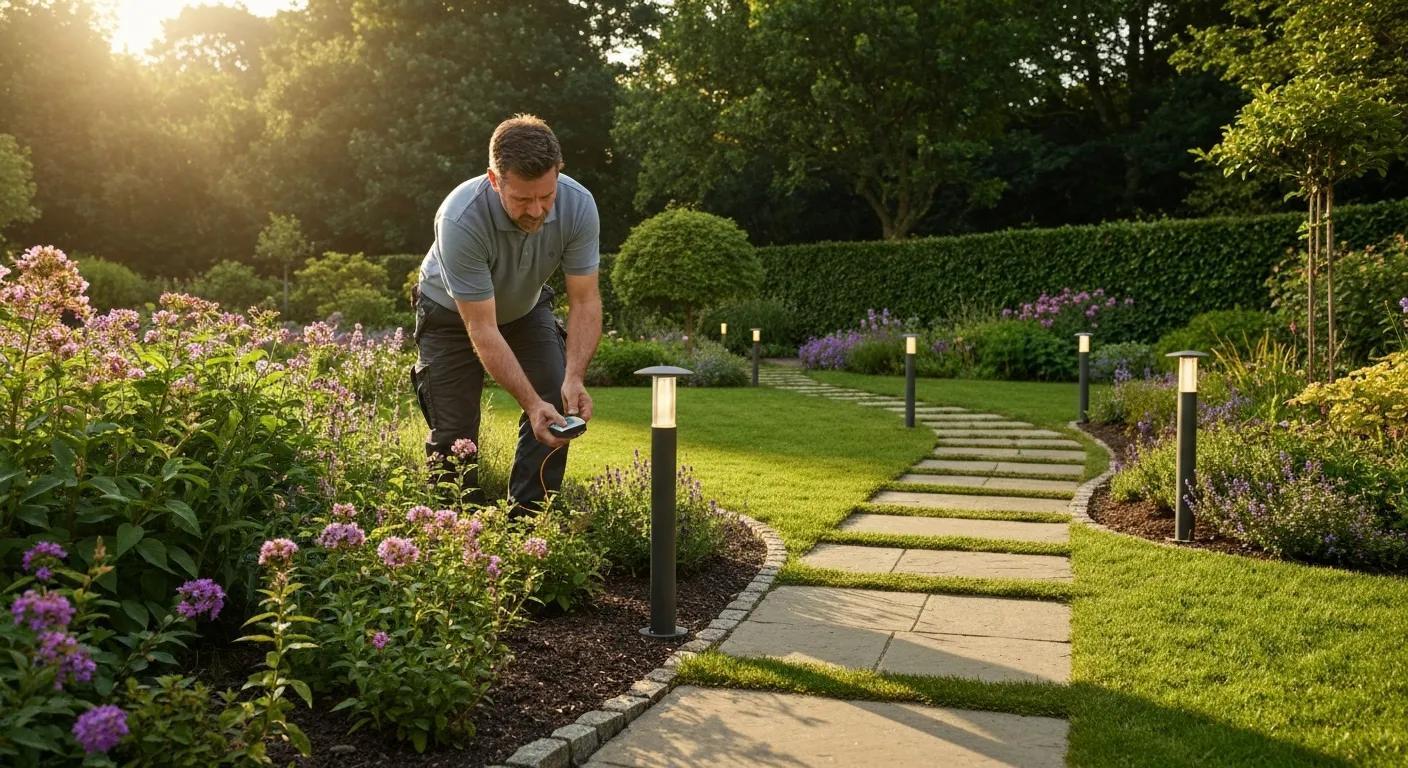
FREE LARGE PROJECT CONSULTATION
CLICK HERE to schedule an appointment with our lighting expert.
5% OFF ANY ORDER Use Code: SUPER5OFF

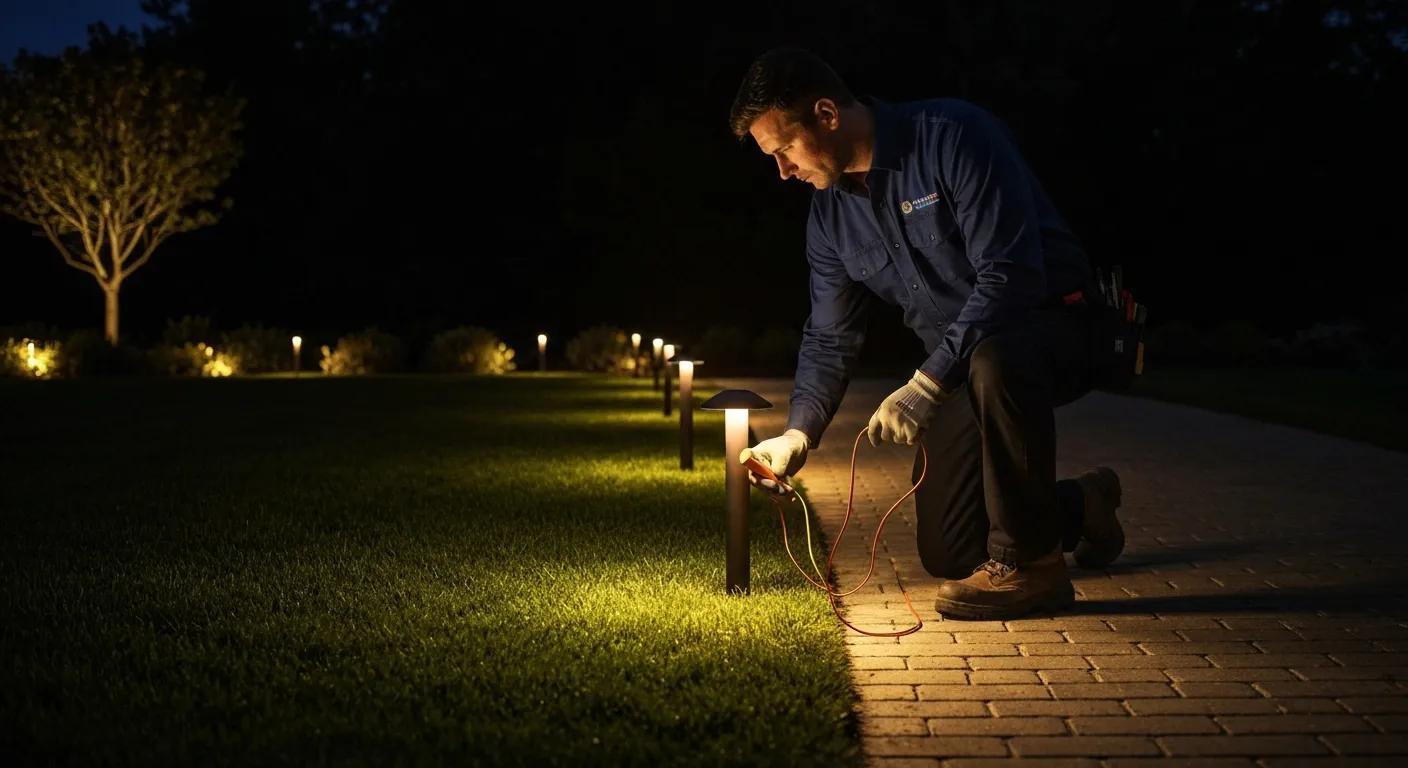
Best Solar-Powered Outdoor Lighting Solutions for Every Budget: Affordable, Mid-Range, and Premium Options

Solar outdoor lights have become a practical choice for homeowners who want brighter walkways, safer entrances, and better nighttime ambiance without dealing with wiring or higher utility bills. These lights charge during the day and switch on automatically at night, which makes them simple to use and easy to maintain.
In this guide, you will find a quick breakdown of the most common types of solar lights, how to choose the right options for your yard, and what to look for when comparing brightness, battery quality, and durability. You will also get clear tips for installation, maintenance, and troubleshooting so your lights run longer and perform better throughout the year.
What Are the Different Types of Solar-Powered Outdoor Lights?
Solar outdoor lights are an easy way to brighten walkways, highlight landscape features, and with Light Disty you can easily compare options that match your outdoor layout. They charge during the day and turn on automatically at night, which makes them simple for any homeowner to use.
| Light Type | Typical Lumens | Typical Price | Typical Battery Life | Typical IP Rating |
|---|---|---|---|---|
| Pathway lights | 10–100 lm | $10–$40 | 6–12 hours | IP44–IP65 |
| String lights | 5–30 lm per bulb | $15–$50 | 6–10 hours | IP44–IP65 |
| Spotlights | 200–1,000 lm | $25–$70 | 4–10 hours | IP65–IP67 |
| Floodlights | 400–2,000 lm | $30–$100+ | 4–12 hours | IP65–IP67 |
| Wall/Post lanterns | 50–300 lm | $20–$80 | 6–12 hours | IP44–IP65 |
How Do Solar Pathway Lights Enhance Garden and Driveway Safety?
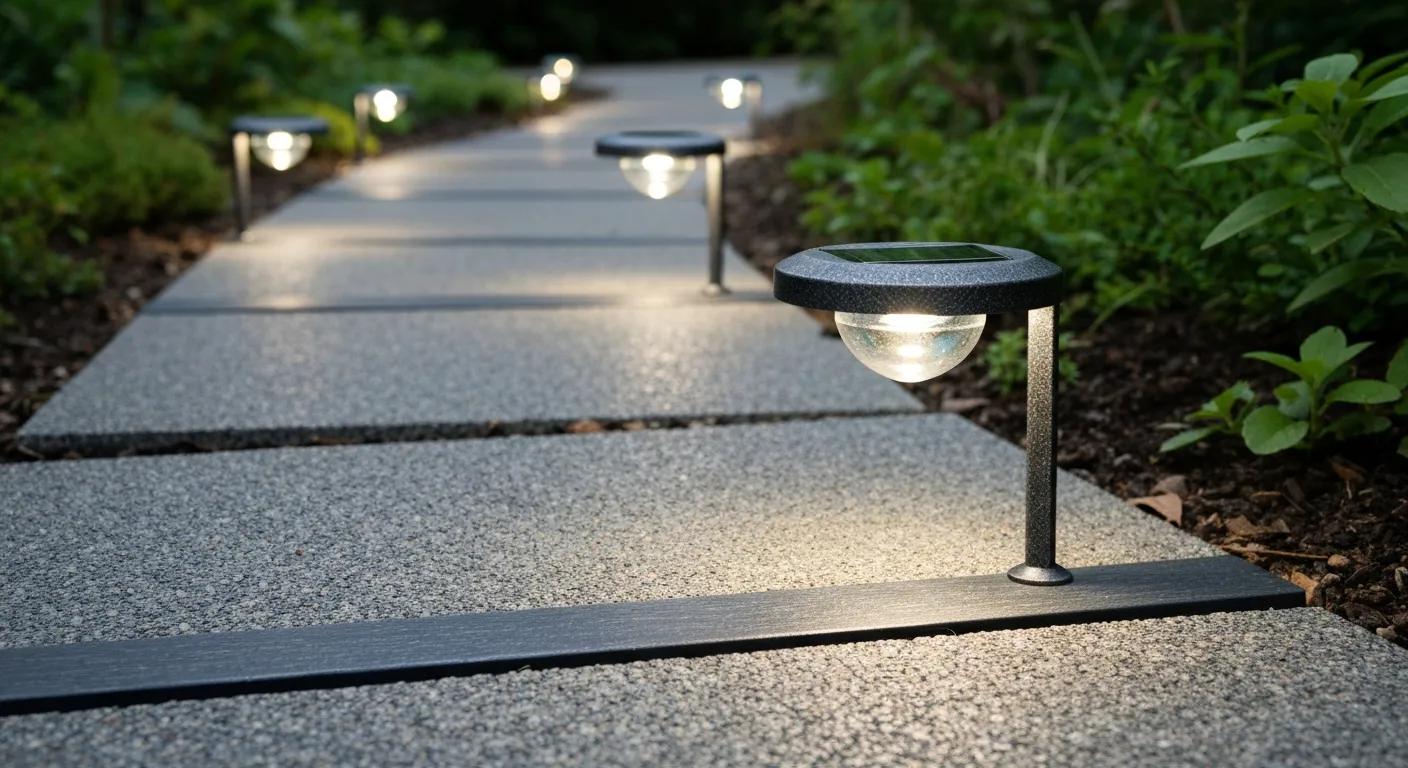
Solar pathway lights increase visibility along walkways and driveways by providing consistent, low-level illumination that highlights trip hazards, edges, and steps. These lights operate automatically at dusk when panels have charged batteries during the day, reducing the risk of falls and improving curb appeal without wiring or increased electric bills. For pathways, a lumen target of roughly 10–50 lumens per stake creates safe, even illumination; spacing every 2–4 feet usually balances brightness and aesthetics. Proper placement in sun-exposed locations ensures panels charge effectively and keeps runtime consistent, which leads naturally into considerations for decorative options like string lights.
What Are the Features of Solar String Lights for Patios and Decorative Use?
Solar string lights add ambiance to patios, pergolas, and outdoor events by combining low-power LEDs with modest panels and batteries designed for extended runtime and decorative appeal. Common features include bulb style (fairy, globe, Edison), integrated rechargeable batteries, waterproof sockets, and run-length options between 10 and 50 feet; typical runtime ranges from 6–10 hours after a full day of sun. Mounting is straightforward hooks, zip ties, or hanging between structures, and seasonal storage during extreme weather preserves longevity. Understanding decorative features helps homeowners pair aesthetics with practical charging and weatherproofing needs.
How to Choose the Best Solar Lights for Your Budget and Outdoor Needs?
Choosing the best solar lights requires weighing four core criteria: brightness (lumens), battery type and capacity (runtime), panel quality (monocrystalline vs polycrystalline), and ingress protection (IP rating) for durability. Begin by defining the lighting purpose: security, pathway safety, or ambiance, as this determines required lumen output and sensor features. Assess battery chemistry: NiMH batteries are common in lower-cost units, while lithium-ion cells typically offer higher capacity and longer lifecycles in mid-range and premium products. Finally, check IP ratings and construction material to ensure reliable performance in your local climate, which segues into practical price-tier expectations for different features.
Use this checklist to match priorities to budget tiers:
- Define purpose: security, pathway safety, or decorative ambiance.
- Set brightness needs: 10–50 lm (pathway), 200–1,000 lm (spotlight/floodlight).
- Select battery & panel quality: NiMH for budget, Li-ion, and monocrystalline panels for higher efficiency.
- Confirm durability: IP65+ for exposed areas and aluminum housings for long-term reliability.
This checklist clarifies what to expect at each price tier and prepares you for purchasing decisions based on value rather than brand names.
| Budget Tier | What to Expect | Recommended Features |
|---|---|---|
| Affordable (under $20) | Basic illumination, shorter runtime, plastic housings | Lower lumens, NiMH battery, simple dusk-to-dawn sensor |
| Mid-range ($20–$50) | Better panels and batteries, improved brightness, and IP rating | Monocrystalline panel, Li-ion battery, IP65 housing |
| Premium (> $50) | Long runtime, higher lumens, adjustable heads, and smart features | High-efficiency panels, long-life Li-ion, motion + dusk-to-dawn, durable housings |
What Are the Best Affordable Solar Pathway Lights Under $20?
Affordable pathway lights under $20 generally provide basic LED stakes with plastic housings and NiMH batteries that deliver modest lumen output suitable for decorative or low-traffic areas. Expect runtimes of 6–10 hours on a full sun charge in ideal conditions, but plan for reduced performance in shaded installations or winter months; durability and consistent charge are common trade-offs. These units are appropriate for homeowners prioritizing low upfront cost and simple installation, but upgrading to mid-range units is wise for high-use or exposed locations. Knowing these limitations helps determine whether a slightly higher investment is warranted for longer-term reliability.
What Mid-Range Solar Lighting Options Offer the Best Value?
Mid-range solar lighting in the $20–$50 bracket commonly combines monocrystalline panels, lithium-ion batteries, and higher IP ratings to deliver notably better runtime and brightness stability than budget models. Buyers in this tier typically gain adjustable heads, improved beam control, and more resilient housings suitable for regular outdoor use, making these options the best value for mixed lighting needs. Mid-range fixtures often balance performance and cost, offering long-term savings compared with continually replacing cheap units. Evaluating these mid-range features helps homeowners allocate budget to the components that deliver the most practical improvement.
How Do Motion Sensor Solar Security Lights Improve Outdoor Safety?
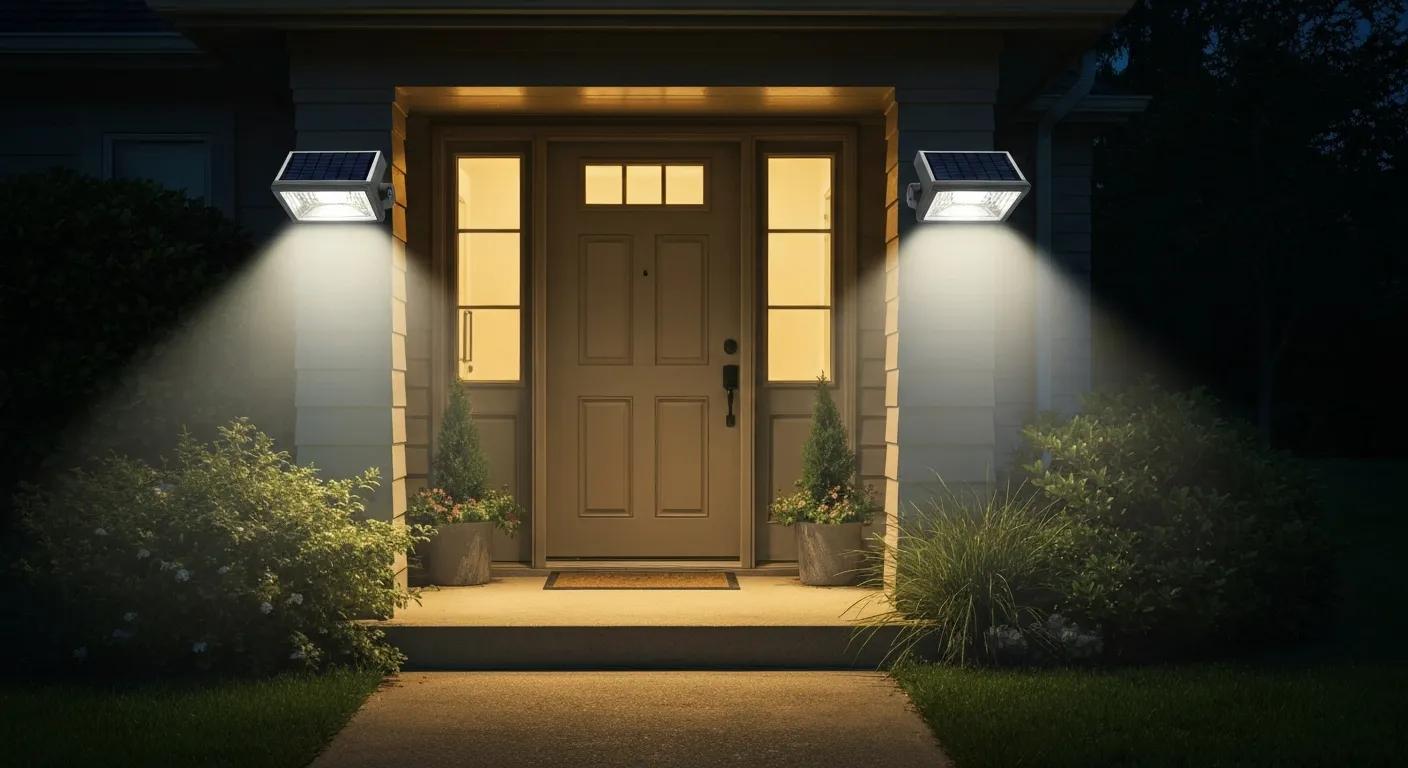
Motion sensor solar security lights turn on only when movement is detected, which helps deter intruders, improve visibility, and extend battery life. They use infrared or microwave sensors to detect activity and deliver a bright burst of light for a set period. This makes them ideal for entryways, driveways, and perimeter areas.
When choosing a security light, focus on sensor range, lumen output, and adjustable mounting so you can aim the beam where you need coverage without frequent false triggers.
Key advantages include:
- Energy savings: Motion activation limits high-lumen runtime to necessary periods, preserving battery charge.
- Deterrence: Sudden bright lighting reduces cover for potential intruders and improves camera capture.
- Convenience: Dusk-to-dawn keeps areas softly lit overnight, while motion bursts amplify brightness when activity occurs.
| Security Light Type | Sensor Range | Brightness (Lumens) | Mount Type |
|---|---|---|---|
| Motion spotlight | 10–30 ft | 200–1,000 lm | Wall/adjustable head |
| Motion floodlight | 20–50 ft | 400–2,000+ lm | Wall or pole mount |
| Dusk-to-dawn wall light | n/a | 50–300 lm | Fixed wall mount |
This quick comparison shows that spotlights provide focused coverage for doorways, while floodlights cover wider areas. Choosing adjustable heads and IP65 or higher weather ratings helps ensure reliable long-term performance.
What Are the Benefits of Motion Sensor and Dusk-to-Dawn Features?
Motion sensor and dusk-to-dawn features together reduce unnecessary runtime and extend battery life by combining scheduled low-level illumination with on-demand high-output bursts when motion is detected. This combined operation means batteries charge during the day and deliver quiet ambient light overnight while reserving bright activation for actual events, improving safety without draining the battery quickly. For areas with intermittent activity, the hybrid approach offers the best balance between deterrence and energy conservation. Choosing the right sensitivity and timer settings improves reliability and reduces nuisance triggers, which we will address in placement guidance.
Which Solar Spotlights and Floodlights Are Ideal for Security Purposes?
For security, look for spotlights and floodlights that deliver sufficient lumens for the coverage area, adjustable heads to aim beams precisely, and robust IP65–IP67 housings to withstand weather exposure. Aim for 400–2,000 lumens for yard or driveway coverage and 200–800 lumens for entryway illumination; narrow beam spotlights highlight specific features while wide-beam floodlights illuminate large areas. Mounting height and angle affect sensor coverage and light spill; mount fixtures to minimize false activations and to maximize useful coverage. Prioritizing these attributes yields reliable security lighting that deters threats and supports surveillance systems.
What Are the Installation and Maintenance Best Practices for Solar Outdoor Lights?
Proper installation and routine maintenance keep solar lights working efficiently, extend battery life, and ensure reliable illumination. Follow these key steps:
Installation:
- Choose sunny locations: Avoid shade from trees or buildings.
- Secure mounting: Use anchors for walls, tamp soil for stakes, and hang string lights firmly.
- Test operation: Charge fully, then check dusk-to-dawn and motion functions.
- Adjust seasonally: Tilt panels for winter sun and tighten mounts after storms.
Maintenance:
- Clean panels regularly: Use a soft cloth with mild soap, and isopropyl alcohol for tough grime.
- Inspect batteries: Replace NiMH or Li-ion cells if runtime drops or swelling occurs.
- Check fixtures: Look for corrosion, loose connections, or water intrusion.
- Keep repair tools handy: Silicone sealant and stainless steel fasteners for weatherproofing.
How to Install Solar Lights: Step-by-Step Guide for Pathway, Wall, and String Lights?
Installing solar pathway, wall, and string lights follows consistent steps: site assessment, secure mounting, orientation of panels to maximize sun capture, and operational testing after a full charge cycle. For pathway stakes, loosen soil and push stakes level for stable spacing; for wall lights, use anchor bolts and seal around mounting holes to prevent water ingress; for strings, hang with gentle sag, protect connections, and avoid prolonged contact with wet surfaces. After installation, run a full-day charge and test dusk-to-dawn and motion functions, then adjust angles or spacing as needed for even coverage. These steps ensure immediate effectiveness and set up the lights for reliable seasonal performance.
How Can You Extend Battery Life and Maintain Solar Panels Effectively?
Extend battery life by preventing full deep discharges, keeping panels clean for maximum charging efficiency, and replacing rechargeable cells on a regular schedule appropriate to their chemistry (NiMH shorter lifespan than Li-ion). Clean panels monthly in dusty or pollen-heavy climates and inspect for water accumulation or loose wiring after storms. Store removable fixtures indoors during extended winter freezes when ice can damage housings and reduce battery capacity, and consider swapping to higher-quality lithium cells if frequent replacements are needed. Proactive maintenance preserves runtime and reduces the frequency of troubleshooting dim lights or short runtimes.
What Are the Environmental and Cost Benefits of Solar-Powered Outdoor Lighting?
Solar-powered outdoor lighting eliminates grid electricity use for outdoor fixtures, reducing household energy consumption and associated carbon emissions while avoiding the need for trenching and low-voltage wiring. The main cost benefits include near-zero operating energy cost, simplified installation savings, and modest long-term maintenance costs centered on battery replacement rather than ongoing electricity bills. Over the product lifecycle, offsets to grid energy can be significant for widespread outdoor installations, though homeowner savings depend on local electricity rates and fixture runtime. The following table summarizes high-level cost and environmental trade-offs versus wired fixtures.
| Benefit | Mechanism | Typical Impact |
|---|---|---|
| Energy savings | Uses solar energy vs the grid | Reduces outdoor lighting kWh to near-zero |
| Installation cost | No trenching or wiring | Lowers upfront labor and material costs |
| Emissions | Avoids grid electricity | Lowers CO2 footprint over lifecycle |
How Much Can Homeowners Save on Energy Costs with Solar Lighting?
Annual savings vary with usage, but replacing wired outdoor fixtures with solar equivalents can eliminate the kilowatt-hours associated with those lights, which for typical residential scenes might save tens to a few hundred dollars per year, depending on runtime and local electricity prices. Savings scale with the number of fixtures and the hours they operate; high-runway security lights deliver bigger avoided energy costs than occasional pathway stakes. Consider battery replacement intervals and upfront costs when calculating simple payback; in many cases, the low installation cost of solar fixtures means payback occurs quickly compared with adding wired circuits. Understanding these variables helps homeowners project a realistic ROI for their circumstances.
Why Are Solar Lights Considered Eco-Friendly and Sustainable?
Solar lights are eco-friendly because they use sunlight, a renewable resource, as their energy source, eliminating grid electricity during operation and reducing lifecycle emissions associated with powered outdoor lighting. They also avoid the infrastructure impact of buried wiring and lower cumulative energy demand when widely adopted. Caveats include battery disposal and plastic housings; responsible end-of-life recycling for rechargeable batteries and choosing materials with longer lifespans improve sustainability outcomes. Emphasizing maintenance and proper disposal allows homeowners to maximize the environmental benefits while minimizing negative lifecycle impacts.
What Are the Latest Trends and Innovations in Solar Outdoor Lighting?
Recent innovations in solar outdoor lighting include higher-efficiency monocrystalline panels, improved lithium battery chemistries, advanced LED efficacy, and the addition of smart connectivity enabling scheduling, dimming, and app-based control. These advances let smaller panels produce more energy, allow longer runtimes, and enable integrated smart features like remote scheduling and grouping of fixtures. Market forces driving adoption include falling component costs and demand for sustainable, low-maintenance lighting that integrates with smart home ecosystems. Understanding these trends positions homeowners to select future-proof systems that deliver better performance for the same or lower total cost.
How Are Smart Solar Lights and Advanced LED Technologies Changing Outdoor Lighting?
Smart solar lights offer app control, grouping, and scheduling that adapt outdoor lighting to activity patterns while conserving battery life through intelligent dimming and event-based activation. Advances in LED efficacy have increased lumens per watt, allowing brighter outputs with less battery drain and enabling compact fixtures to perform like older, larger designs. These technologies shift selection criteria toward integrated control features and battery sizing that account for smarter energy management, making modern units more capable and efficient. As a result, homeowners can plan installations that combine aesthetics, security, and energy efficiency.
What Market Trends Are Driving the Growth of Solar Lighting Solutions?
Market growth for solar lighting is propelled by improving component efficiencies, broader consumer interest in sustainable products, and lower manufacturing costs that bring higher-performing units into the mid-range price tiers. Demand is also influenced by the ease of DIY installation and the desire to avoid trenching for wired solutions, encouraging adoption across rental and owner-occupied properties. Manufacturers continue to introduce features that address earlier performance gaps, better panels, longer-life batteries, and smarter controls, making solar lighting a practical choice for a wider set of outdoor applications. These trends suggest continued product improvement and broader consumer uptake in the near term.
Conclusion
Solar-powered outdoor lighting solutions provide an eco-friendly, cost-effective way to enhance safety and ambiance in your outdoor spaces. By understanding the various types, features, and installation best practices, homeowners can confidently select the right lighting options tailored to their needs and budgets. Embrace the benefits of solar lighting and browse trusted solar lighting options through Light Disty to illuminate your home sustainably. Start your journey towards a brighter, greener outdoor environment today!