FREE LARGE PROJECT CONSULTATION
CLICK HERE to schedule an appointment with our lighting expert.
5% OFF ANY ORDER Use Code: SUPER5OFF

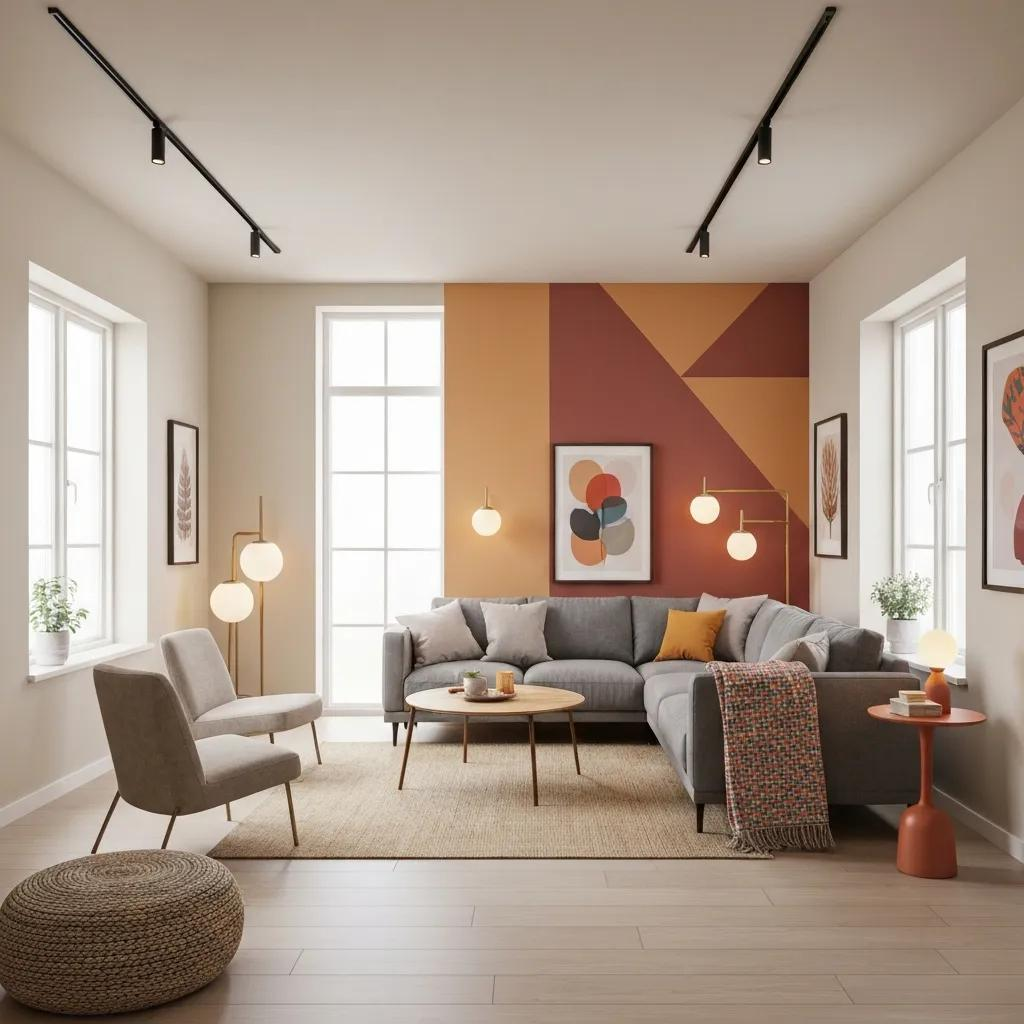
How to Choose Specialty Lighting: Top Factors for Selecting the Perfect Lighting for Your Space
Specialty lighting encompasses fixtures and systems specifically designed to perform focused tasks, highlight architectural features, or create a distinct mood beyond general ambient illumination. This guide explains how to select specialty lighting that balances function, aesthetics, and energy efficiency, enabling you to make informed specification and purchasing decisions. Many designers and property owners struggle to translate room use and material finishes into accurate lumen targets, color choices, and control strategies. This article addresses these challenges with measurable criteria, room-by-room examples, and actionable checklists.
What Are the Key Lighting Design Considerations for Different Spaces?
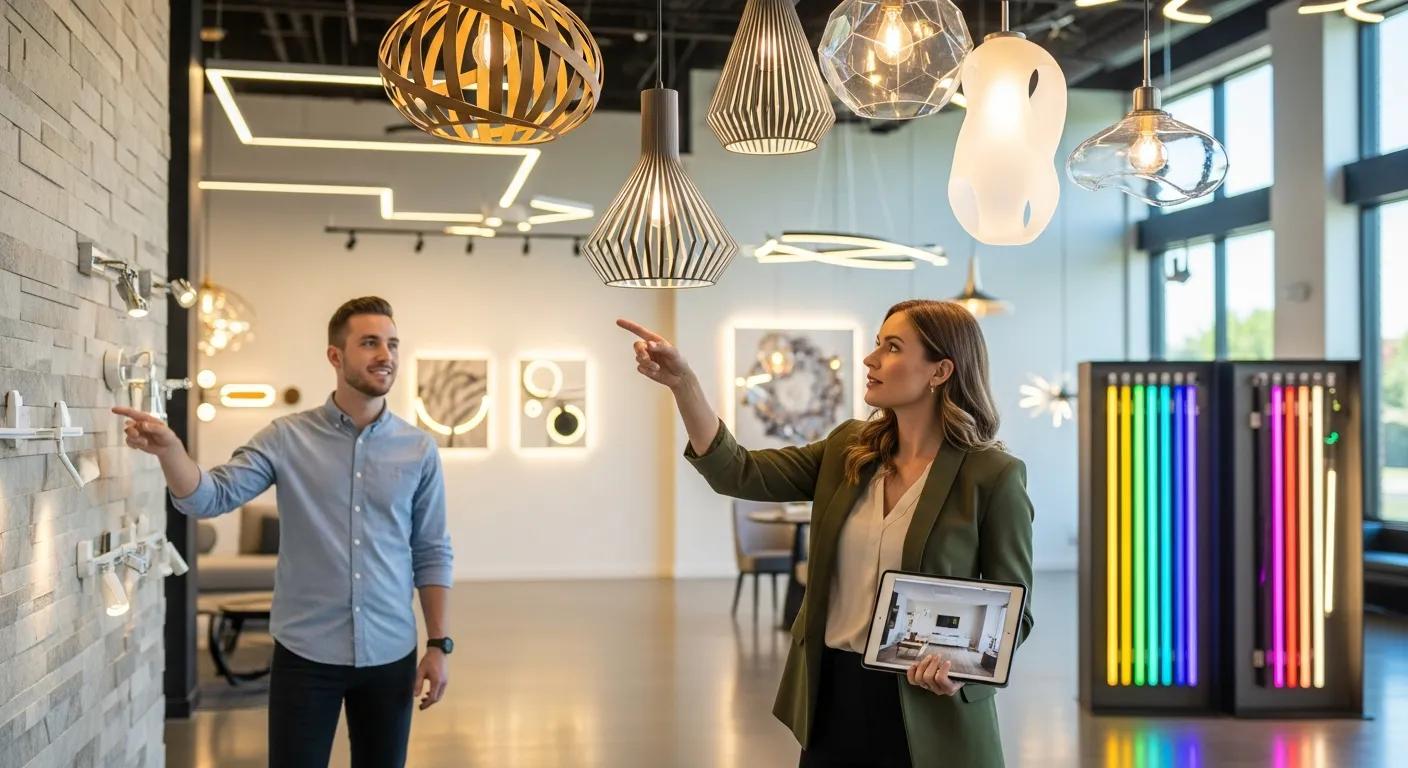
Key lighting design considerations are the measurable and perceptual criteria function, scale, light level, color fidelity, mounting geometry, and control strategy that determine which specialty fixtures will perform best in a given space. Defining the purpose of a space clarifies whether you need focused task light, low-glare ambient, or directional accent light; this mechanism ensures fixtures support activities and visual comfort. Designers should target lumen ranges, CRI, and correlated color temperature (Kelvin) appropriate to the activity and finishes, and integrate mounting height and beam angle to control distribution. These core metrics directly influence perceived color, contrast, and spatial scale; understanding them leads to practical room-specific targets and daylight integration strategies.
How Does Room Function Influence Specialty Lighting Choices?
Room function drives fixture selection by specifying activity-based illumination needs: preparatory tasks require high, concentrated lumens while circulation spaces need low, even ambient levels. For example, kitchen counters typically require task illumination with narrow beam angles or under-cabinet strips to produce 300–500 lux at the work surface, whereas a gallery uses narrow-beam accent fixtures with high CRI to render artwork faithfully. Mapping activities to lighting types, task, accent, and ambient helps determine mounting height, shielding, and beam control so fixtures illuminate the intended surface without glare. Translating these activity needs into fixture specifications is the next step for balancing light level and aesthetic effect.
What Role Does Natural Light Play in Lighting Design?
Natural daylight significantly alters artificial lighting requirements by changing available illumination levels, color balance, and seasonal variability, so daylight assessment is essential before finalizing fixture counts and control zoning. Daylight mapping, measuring window orientation, glazing, and interior reflectance, helps determine how much artificial light is needed across the day and where sensors or zoning will save energy while preserving desired light levels. Integrating daylight-responsive dimming and daylight harvesting strategies maintains consistent visual comfort and color perception, and it enables lower installed wattage without sacrificing performance. Considering daylight informs color temperature choices and ensures artificial lighting complements rather than competes with natural light.
Which Types of Specialty Lighting Fixtures Should You Consider?
Specialty fixtures fall into classes: accent, task, ambient, and architectural that each solves different functional and design problems; comparing these classes by typical lumen output, CRI, beam angle, and mounting helps match fixtures to room requirements. Accent fixtures create focal points with narrow beams and higher contrast, task fixtures provide directed, shadow-minimizing illumination, ambient specialty fixtures deliver controlled general light in challenging spaces, and architectural fixtures shape facades or volumes through grazing and uplighting. Below is a compact comparison to guide initial selection and specification.
Different fixture classes vary in application, optics, and mounting, with trade-offs in cost and maintenance that influence long-term performance and aesthetics.
| Fixture Class | Typical Use | Typical Lumen Range | Typical CRI | Beam Angle / Mounting |
|---|---|---|---|---|
| Accent (spot/track) | Highlight art or displays | 300–1200 lm per head | 90+ | 10°–30°, track or adjustable recessed |
| Task (under-cabinet, pendant) | Work surfaces, reading | 400–1500 lm per point | 80–90 | 30°–60°, surface or pendant mount |
| Ambient specialty (cove, linear) | Even indirect light in large volumes | 1000–5000 lm per run | 80–90 | Wide 60°–120°, linear/mounting channels |
| Architectural (grazing, uplight) | Emphasize form and texture | Variable by application | 80–95 | Narrow grazing angles to wide uplight mounts |
What Are the Benefits of Accent, Task, and Ambient Lighting?
Accent, task, and ambient lighting each provide distinct functional and aesthetic benefits that, when layered, create both usability and atmosphere. Accent lighting brings attention to artwork and texture, generating visual hierarchy and drama by increasing local contrast. Task lighting supplies concentrated, shadow-reducing illumination to support activities like cooking or reading, improving safety and efficiency. Ambient specialty lighting establishes base illumination and sets overall comfort levels, enabling lower accent and task levels to work without causing excessive glare. Evaluating these benefits together helps you design layered schemes that prioritize both function and perception.
How Do Different Specialty Fixtures Enhance Your Space?
Specific fixtures, track heads, recessed adjustable downlights, linear pendants, and display luminaires affect the look and perceived scale of a room through beam control and mounting geometry. Track lighting provides flexible aiming for galleries and retail, recessed adjustables offer clean sightlines for minimal interiors, and linear fixtures emphasize architectural lines or define zones in open plans. Choosing fixtures based on ceiling height, sightlines, and finish reflectance ensures the fixture’s optics produce the intended beam spread and uniformity. Considering these effects early prevents retrofit surprises and aligns fixture choice with both functional targets and aesthetic goals.
How Can You Incorporate Accent Lighting Ideas for Your Home?
Accent lighting in residential spaces uses focused techniques to highlight art, architectural details, and focal furniture while supporting a comfortable evening ambiance. Common techniques include grazing to emphasize texture, silhouetting to create layered contrast, and wall-washing to brighten vertical surfaces without hotspots. Selecting beam angle and mounting distance relative to the object controls edge softness and intensity, while dimming lets you tune emphasis for different occasions. The practical choices below offer room-specific starting points to translate ideas into specifications.
Creative accent strategies adapt to each room’s function and finishes, so begin by identifying focal points and choosing optics that match the surface and viewing distance.
- Living Room: Use adjustable accent heads to highlight artwork and a low-angle uplight to lift ceilings.
- Kitchen: Apply focused downlighting or slim under-cabinet strips to illuminate prep areas without glare.
- Hallway: Install wall-washers to brighten circulation routes and reveal finishes evenly.
What Are Creative Accent Lighting Techniques for Various Rooms?
Grazing emphasizes texture by placing a narrow beam at a shallow angle close to the surface, producing dramatic shadows that reveal detail ideal for stone or wood feature walls. Silhouetting positions a light behind an object to outline its form, great for sculptures or planters where edge definition matters. Wall-washing uses a broad, even luminous field to visually enlarge narrow corridors and smooth out finishes; this requires careful spacing to avoid stripes. Choosing which technique to use depends on the finish, viewing angle, and desired emotional effect, and each technique informs beam-angle and mounting-height decisions.
How Do You Use Accent Lighting to Highlight Features and Decor?
To highlight an item, identify the focal point, measure viewing distance, select a beam angle that keeps spill to a minimum, and mount the fixture so the beam edge falls just outside the object for crisp emphasis. For example, a 20° beam aimed from a 4–6 foot distance typically suits medium-sized artwork, while narrower beams suit small objects in display cases. Dimming capability lets you reduce intensity for evening ambiance and prevents color washout that flattens texture. Avoid common mistakes like aiming too steeply (causing glare) or using overly wide beams (which dilute the focal effect) to retain depth and contrast.
Why Is Energy Efficiency Important When Choosing Specialty Lighting?
Energy efficiency in specialty lighting reduces operating cost, lowers carbon footprint, and minimizes maintenance by pairing high-efficacy light sources with smart controls and reliable drivers. Efficient LEDs provide high lumens per watt (lm/W) and long rated lifespans, while controls like dimming, occupancy sensing, and daylight harvesting cut wasted run-time and peak demand. Over a fixture’s lifecycle, reduced energy use and less frequent replacements often offset higher upfront costs, making efficiency a critical selection criterion for both new installs and retrofits. Evaluating efficacy, driver quality, and control compatibility will guide specifications that meet performance and sustainability goals.
Energy-efficiency decisions should consider both technology and operational strategies to maximize long-term savings and environmental benefits.
| Technology | Attribute | Typical Value / Benefit |
|---|---|---|
| High-efficacy LED modules | Efficacy (lm/W) | 80–160 lm/W typical; lowers energy per delivered lumen |
| Quality LED drivers | Lifespan & dimming | Improved thermal management; supports flicker-free dimming |
| Smart controls (sensors, schedules) | Energy reduction | Cuts runtime and peak load through zoning and daylighting |
What Are the Most Energy-Efficient Specialty Lighting Options?
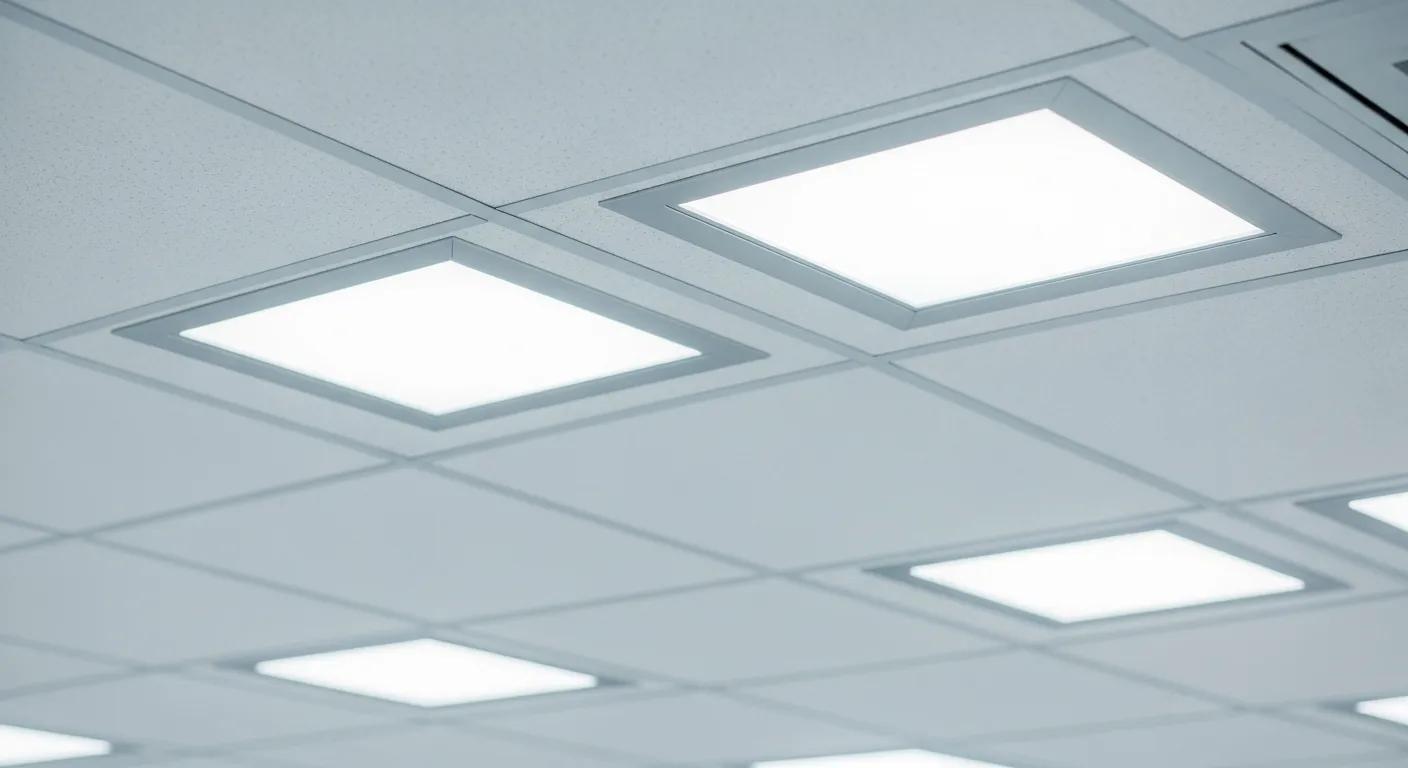
Integrated LED fixtures with high-efficacy modules and certified drivers typically deliver the best combination of low energy use and long life, making them ideal for both new installs and major retrofits. Low-voltage systems can provide additional efficiency in certain architectural applications when paired with efficient drivers, while tunable white fixtures can optimize perceived brightness and comfort without increasing power. Controls such as networked dimming and occupancy sensors amplify savings by reducing unnecessary light levels and adapting to daylight. Choosing integrated systems ensures easier warranty coverage and predictable lumen maintenance. Light Disty features several integrated LED product lines that align with these performance standards.
How Can Energy-Efficient Lighting Reduce Costs and Environmental Impact?
Energy-efficient lighting lowers utility bills through reduced wattage per lumen and reduces maintenance costs by extending replacement intervals and lowering failure rates. Over several years, switching from older technologies to efficient LEDs and implementing controls often yields payback through energy savings and decreased labor for replacements. Environmentally, reduced electricity demand cuts greenhouse gas emissions associated with power generation and reduces waste from fewer lamp disposals. Evaluating the total cost of ownership, including energy and maintenance, provides a clearer picture than the initial purchase price alone when assessing options.
What Are the Top Factors to Evaluate Before Purchasing Specialty Lighting?
When choosing specialty lighting, focus first on the primary decision factors that determine long-term performance and total cost. These top factors provide a clear checklist before you compare styles or finishes.
Top Factors to Evaluate:
- Budget and lifecycle cost: Consider initial price, projected energy use, and long-term maintenance needs. Higher performance fixtures can reduce overall cost over time.
- Installation complexity: Review electrical requirements, mounting limitations, ceiling depth, and access for future service.
- Warranty and serviceability: Check driver replaceability, rated lifespan, and the strength of manufacturer support.
- Upgradeability and controls: Confirm compatibility with dimming protocols, networked controls, and future system expansions.
- Style and finish alignment: Ensure fixture scale, trim, and finish integrate with interior design and sightlines.
Comparison Table:
| Consideration | Key Attribute | What to Check |
|---|---|---|
| Budget vs lifecycle cost | Total cost of ownership | Compare initial price, expected energy use, and replacement frequency |
| Installation complexity | Electrical & mounting needs | Verify driver location, access for maintenance, and retrofit feasibility |
| Warranty & serviceability | Manufacturer support | Check driver replaceability and lumen maintenance (e.g., L70 rating) |
| Upgradeability | Control compatibility | Confirm protocol support (dimming, networked controls) and driver standards |
How Do Budget, Style, and Installation Affect Your Lighting Choice?
Budget influences whether you prioritize lower upfront cost or longer-term savings through higher-efficacy fixtures; higher initial investment in quality LEDs and drivers often reduces lifecycle cost. Style and finish requirements restrict the set of acceptable fixtures; some aesthetic designs mandate specific trims or sightlines that carry premium pricing and specialized mounting. Installation complexity, such as shallow plenums or retrofit constraints, can eliminate certain fixture types or require custom housings, increasing labor and total project cost. Balancing these trade-offs requires mapping functional targets to realistic budget tiers and installation constraints.
What Maintenance and Longevity Factors Should You Consider?
Key maintenance factors include rated lumen maintenance (L70/L80), driver lifespan, ease of accessing optics or modules, and availability of replacement parts or retrofit kits. Fixtures with replaceable drivers or modular LED boards extend usable life and simplify mid-life upgrades to more efficient modules or controls. Cleaning access and susceptibility to dust or humidity also affect maintenance intervals and lumen degradation, so specify IP or enclosure ratings where environments demand it. Asking manufacturers about expected replacement intervals and service pathways helps forecast long-term operational cost and reliability.
How Do You Plan Specialty Lighting to Create the Perfect Ambiance?
Planning specialty lighting for ambiance uses a layered approach, ambient, task, and accent combined with appropriate color temperature, CRI, and dimming scenes to shape mood and perceived space. Start by assessing function and focal points, map fixtures to zones, choose optics and mounting heights to control distribution, and define control scenes for transitions between activities. Principles of layering and scene-setting translate into practical templates: assess the room, draw a lighting plan, select fixtures by role and metric, and program control scenes. Following a repeatable planning brief helps maintain design intent through procurement and installation.
These planning steps set the stage for detailed layering and then for specifying scenes and control strategies that support daily life and special occasions.
- Step 1: Assess use, daylight, and finishes to set target lumens and color temperature.
- Step 2: Map zones for ambient, task, and accent and choose fixtures by role.
- Step 3: Specify controls and scenes to manage transitions and energy use.
Implementing this simple template helps translate design goals into executable specifications; if you prefer professional assistance to execute these plans, reach out with an emphasis on getting new development or marketing clients to guide specification, procurement, and scene programming.
What Are the Best Practices for Layering Different Lighting Types?
Best practices for layering include establishing a measurable ambient baseline, adding task lighting where activities occur, and using accent lighting to direct attention and create depth; each layer should be dimmable to balance scenes. Maintain contrast ratios that avoid excessive glare—ambient should be sufficient for orientation, while the task provides higher localized illumination and accent increases contrast. Use control grouping to enable independent adjustment of layers and scene presets for common activities like cooking, entertaining, or relaxation. Proper layering ensures flexibility and comfort while enabling energy savings by avoiding over-illumination.
How Can Specialty Lighting Influence Mood and Space Perception?
Color temperature and CRI notably influence mood: warmer tones (2700–3000K) create cozy, intimate environments, while cooler temperatures (3500–4000K) feel crisp and alert; CRI above 90 preserves natural color in art and materials. Contrast and accent placement can make a room feel taller or more intimate. Uplighting increases perceived height while low accent pools create cozy nooks. Gradual dimming and scene transitions support emotional pacing across an evening, and spatial perception improves when layers balance rather than compete. Applying these perceptual levers intentionally shapes the atmosphere and supports the room’s intended use.
Conclusion
Choosing the right specialty lighting enhances both functionality and aesthetics, ensuring your space is well illuminated and inviting. By understanding the interplay of different lighting types and their specific applications, you can create an environment that meets your needs while also being energy efficient. Take the next step in transforming your space by exploring our curated selection of specialty lighting solutions. Light Disty offers a reliable range of high-quality fixtures that support both performance and design goals, helping you illuminate your vision with options tailored to your unique style.
