FREE LARGE PROJECT CONSULTATION
CLICK HERE to schedule an appointment with our lighting expert.
5% OFF ANY ORDER Use Code: SUPER5OFF

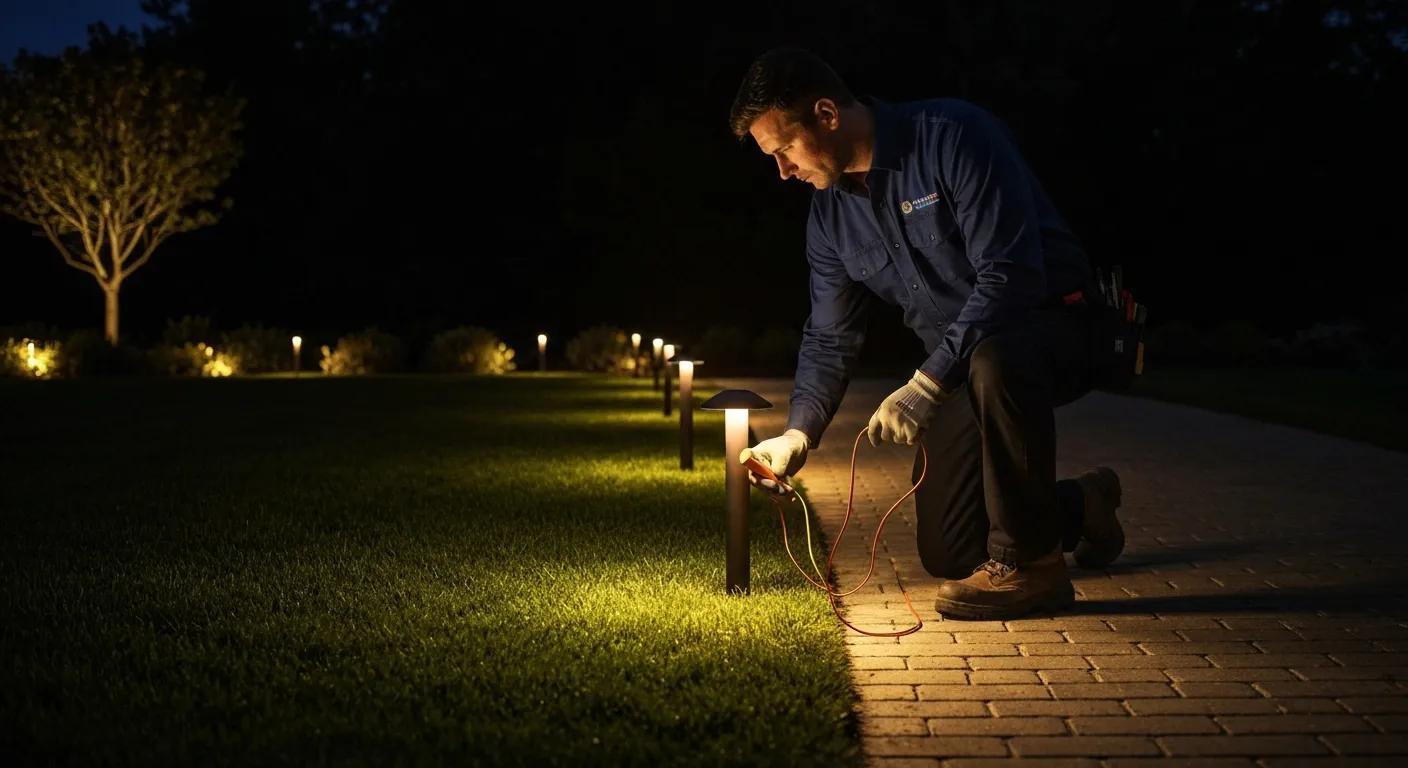
How to Install Landscape Lighting for Stunning Nightscapes: A Complete DIY Outdoor Lighting Guide

A well-planned landscape lighting setup turns a dark yard into a polished, inviting outdoor area with clear paths, highlighted features, and a cohesive nighttime look. This guide shows you how to map out a layout, choose the right fixtures, and size your transformer correctly, then takes you through each installation step so your system performs consistently. You will also learn how to avoid common problems like voltage loss, weak beam spread, poor connector placement, and premature corrosion. Clear examples, wiring guidance, and troubleshooting checks help you create a dependable lighting design that stays bright and balanced for years.
How Do You Plan Your Landscape Lighting Design for Stunning Nightscapes?
Planning landscape lighting begins with defining focal points, illumination goals, and constraints: this determines fixture types, beam angles, wattage, and cable routing. A clear plan reduces voltage drop by allowing you to group fixtures by circuit runs and choose the correct transformer taps, which preserves brightness and minimizes repair needs. Effective planning balances aesthetics, highlighting trees, facades, or water features with functional goals like pathway visibility and security, and this balance guides spacing, stake placement, and fixture selection. The next paragraphs break down key lighting effects and the fixture choices that create them, then show quick planning steps and transformer sizing guidance to turn a sketch into a reliable wiring layout.
What follows are practical lighting effects and their typical fixture recommendations to help you visualize placement and beam control for each effect.
What Are the Key Lighting Effects and Techniques to Enhance Your Nightscape?
Key lighting effects uplighting, moonlighting, silhouetting, grazing, and wall washing each create distinct visual outcomes and require different fixture placements and beam spreads. Uplighting places a narrow-beam spotlight at the base of a tree or façade to emphasize height and texture, typically using 15–25° spots that create dramatic vertical shafts of light. Moonlighting suspends fixtures high in tree branches to cast soft, dappled light downwards and requires wider-angle fixtures placed farther from targets to reduce harsh shadows. Silhouetting positions fixtures behind an object to outline its shape against a brighter background, while grazing uses oblique angles to reveal surface texture on walls; wall washing evenly illuminates broad surfaces with wide flood beams. Understanding these effects supports fixture selection and spacing and leads to choosing specific fixtures rated for outdoor conditions and desired beam control.
How Do You Choose the Right Fixtures for Your Outdoor Lighting Layout?
Fixture choice depends on purpose, beam spread, durability, and LED wattage: path lights for low-level guidance, spotlights for focused uplighting, floodlights for wide washes, and well lights for ground-mounted recessed effects. Select fixtures with robust housings, aluminum or brass, good IP ratings for water resistance, and corrosion-resistant finishes from Light Disty for wet climates. LED modules should specify lumen output and beam angle rather than relying on bulb wattage alone. For aesthetic control, choose adjustable heads for spot and flood fixtures to fine-tune aiming, and opt for warm color temperatures (2700K–3000K) for landscape scenes to preserve natural color and reduce glare. Fixture selection connects directly to load calculations and transformer sizing, which ensures your chosen fixtures operate at the correct voltage and expected brightness.
Before moving to tools and materials, use a quick planning checklist to convert ideas into a layout sketch.
- Identify three to five focal points to highlight (trees, entries, water features).
- Determine primary goals: aesthetics, safety, or security, then assign fixture types.
- Sketch cable runs and group fixtures by expected circuit length to minimize voltage drop.
This quick plan prepares you to pick appropriate wire gauges and transformer capacity for reliable performance.
| Transformer Model | Tap Wattages | Recommended Total Fixture Wattage |
|---|---|---|
| 300W Multi-Tap | 12V/13V/14V | Up to 250W (grouped runs) |
| 150W Standard | 12V only | Up to 120W (short runs) |
| 60W Compact | 12V only | Up to 50W (small zoned areas) |
What Tools and Materials Are Needed for Low-Voltage Landscape Lighting Installation?

Installing low-voltage lighting takes a few basic tools and weatherproof materials to ensure a safe, lasting system. You will need a multimeter for checking voltage, wire strippers and crimpers for making tight connections, and a trenching tool or small shovel for placing cable at the correct depth. Basic hand tools like screwdrivers and wrenches help with mounting fixtures. Key materials include a correctly sized transformer, the proper gauge low voltage cable, waterproof connectors or gel-filled splice kits, and outdoor-rated fixtures with solid corrosion resistance. The transformer must be powered from a GFCI outlet for safety.
Essential checklist:
- Multimeter: Confirms voltage and helps identify drop or loose connections
- Wire strippers and crimpers: Produce clean, low-resistance splices
- Trenching tool or shovel: Creates a protected cable path
- Waterproof connectors or gel splice kits: Prevent moisture intrusion
- Transformer sized to system load: Avoids overload and allows growth
Which Tools Are Essential for Installing Outdoor Landscape Lighting?
Essential tools serve diagnostic, cutting, and installation roles: a multimeter confirms voltage and continuity, wire strippers expose conductors cleanly, and crimpers produce durable mechanical connections. A trenching tool or compact trencher speeds cable burial while minimizing damage to turf, and a padded mallet or rubber hammer helps seat stakes without denting fixtures. For aiming and fine-tuning, a small adjustable wrench and a headlamp are invaluable during nighttime tests; use screwdrivers for fixture assembly and a silicone gun for sealing junctions as needed. Quality tools reduce installation time and improve connection integrity, which lowers the chance of flicker and corrosion.
What Materials Should You Gather for Transformer Setup and Wiring?
Key materials include a transformer with multiple wattage taps from Light Disty, low-voltage cable in appropriate gauge, waterproof connectors, conduit for exposed runs, and mounting hardware for a protected installation. Choose cable gauge based on run length and total wattage to prevent voltage drop; select connectors rated for outdoor use (gel-filled butt connectors or IP68 quick-connects). For above-ground transformer mounting, use weatherproof conduit or raceway and ensure the mounting location is elevated above potential flooding. These material choices ensure safe, code-aware installation and ease future maintenance, which we cover in wiring and burial practices next.
| Wire Gauge | Max Run Length at 50W Load | Recommended Use Case |
|---|---|---|
| 14 AWG | ~20 ft | Small clusters near the transformer |
| 12 AWG | ~40 ft | Typical yard runs, moderate loads |
| 10 AWG | ~80 ft | Long runs or high-wattage fixtures |
How Do You Install a Low-Voltage Landscape Lighting System Step-by-Step?
A clean installation follows a simple flow. Start by mounting the transformer, routing and burying cable, connecting fixtures with sealed splices, testing voltage at key points, then finishing with aiming and controls. Place the transformer near a GFCI outlet, call 811 before trenching, and group fixtures by run length to limit voltage drop. After wiring, power up the system, verify readings at the farthest fixtures, adjust taps if needed, and set timers or photocells for automatic operation.
Quick Step Sequence:
- Mount the transformer near a GFCI outlet and confirm safe clearance from moisture.
- Plan and trench cable routes with proper burial depth and smooth curves.
- Run cable, create weatherproof connections, and install fixtures with service loops.
- Power the system, check voltage at distant fixtures, adjust taps, and aim lights.
- Backfill trenches, secure all wiring, set timers or photocells, and document the layout.
How Do You Mount and Wire the Landscape Lighting Transformer Safely?
Mounting the transformer begins by choosing an elevated, ventilated spot close to a GFCI-protected outlet and sheltered from direct water exposure; such placement minimizes cable runs and enhances safety. Secure the transformer to a solid surface using manufacturer hardware, route the main low-voltage cable through appropriate strain relief, and use conduit where cable is exposed above ground. Wire the primary to the GFCI outlet per local code, then connect low-voltage leads to the correct wattage tap; verify connections with a multimeter before closing covers. Proper mounting and wiring reduce moisture ingress and allow safe, accessible tap changes for balancing loads later in the setup process.
What Is the Proper Method for Laying and Burying Voltage Cable?
Lay low-voltage cable in trenches of approximately 4–6 inches for typical yard runs, deeper where mower traffic or vehicular crossing is possible; always call 811 before digging to avoid utilities. Route cable along planned runs with gentle bends, avoid tight loops that stress insulation, and leave service loops near fixtures to allow repositioning. Where cable crosses driveways or exposed areas, use conduit to protect runs from abrasion and mechanical damage; backfill with soil and compact to prevent settling. Proper burial techniques maintain cable integrity, reduce tripping hazards, and minimize exposure that accelerates voltage loss or connector corrosion.
How Do You Connect Fixtures to the Low-Voltage Cable Correctly?
Use gel-filled or IP68-rated quick connectors for outdoor splices to keep moisture and soil out of electrical joints, and strip conductors cleanly to 90° to create secure crimps or twist-and-solder joints when applicable. Attach fixtures with a small service loop to allow movement and adjust aiming, and keep polarity consistent across parallel fixtures to avoid dimming or reverse operation. For high-resilience joints, heat-shrink tubing with adhesive or silicone-sealed housings provides long-term protection against corrosion. Proper connections minimize voltage drop and eliminate intermittent faults, preparing the system for the comprehensive testing described next.
How Do You Test and Adjust Your Landscape Lighting System for Optimal Performance?
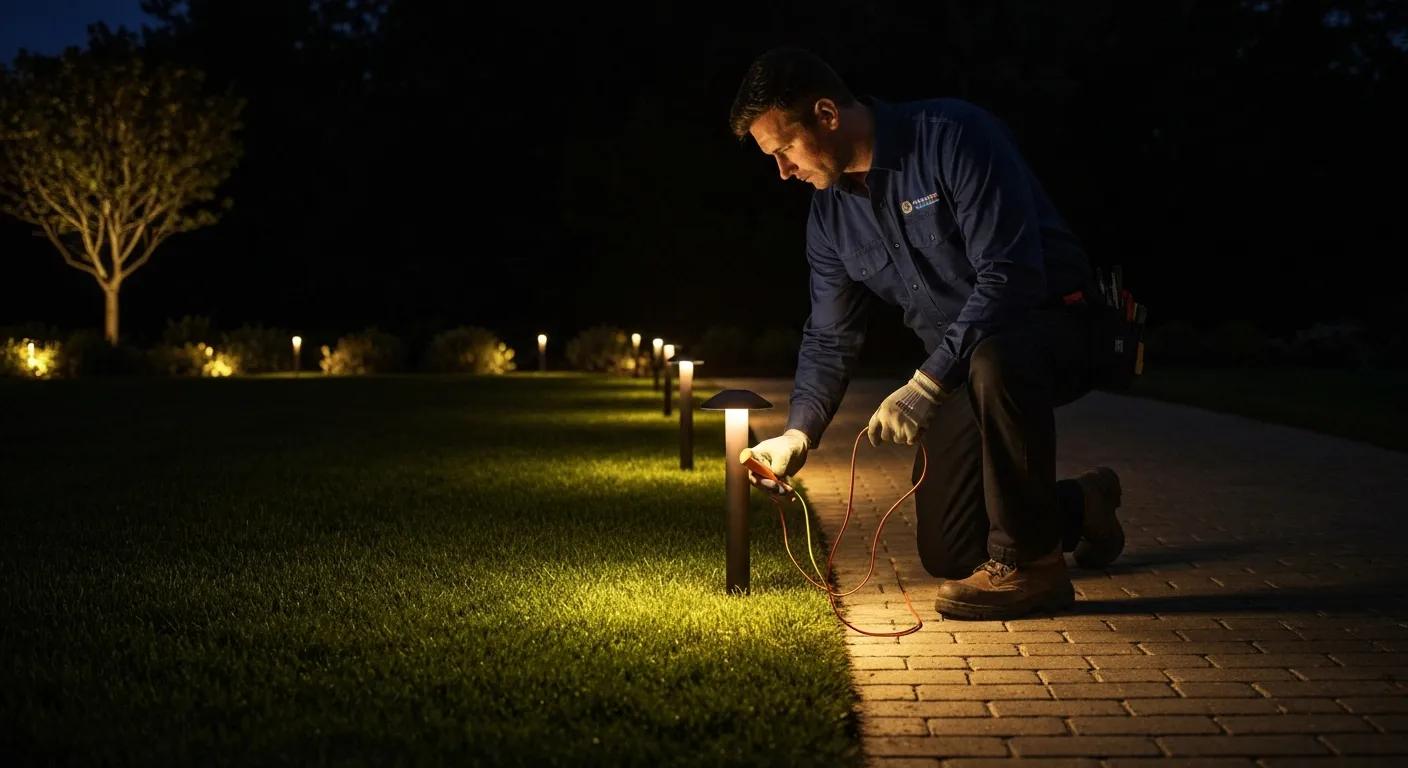
Testing begins with a multimeter check at the transformer and at the farthest fixture to measure voltage under load, verifying it remains within an acceptable range (typically near 12V nominal). Inspect each fixture for correct aiming and glare control, and walk the landscape at night to observe shadowing and balance; fine-tune beam angles and reposition fixtures to improve layering and reduce hotspots. If the voltage at distant runs falls significantly, consider upsizing the wire gauge or regrouping fixtures to a separate transformer tap. Finally, confirm timers or photocells function across dusk-to-dawn cycles and label circuits for future troubleshooting.
What Are the Final Steps to Complete Installation and Set Lighting Controls?
Finish the system by backfilling trenches, restoring soil or turf, and securing any visible wiring with clips. Label transformer taps and circuits so future adjustments are simple. Set timers, photocells, or smart controllers to match your preferred schedule. Keep photocells away from artificial light sources to avoid false triggers, and program timers based on usage patterns and local lighting rules. Create a basic diagram that notes fixture locations, cable paths, connector types, and transformer settings to support future maintenance.
After the system is complete, review whether another power option may suit different areas of the property. The comparison below gives a quick reference.
| System Type | Installation Complexity | Typical Cost Range | Ideal Use Cases |
|---|---|---|---|
| Solar Landscape Lighting | Low | Low | Small pathways, remote spots without wiring |
| Low Voltage (12V) | Moderate | Moderate | Yard-scale designs, tree uplighting, layered scenes |
| Line Voltage (120V) | High | High | High-output fixtures, long runs, professional projects |
What Are the Differences Between Solar, Low Voltage, and Line Voltage Landscape Lighting Installations?
Solar, low-voltage, and line-voltage systems differ in power source, output, installation complexity, and maintenance needs, affecting which is optimal for a given nightscape. Solar fixtures are the simplest to install but depend on sunlight for charging and can underperform in shaded or high-output scenarios. Low-voltage systems balance brightness, control, and safety for most residential applications and allow centralized control via a transformer and timers; they do require trenching and proper voltage management. Line-voltage systems deliver high wattage for long runs or commercial-level illumination but require conduit, deeper burial, code compliance, and a licensed electrician for safe implementation. Understanding these differences helps match system choice to design goals and budget.
How Do You Install Solar Landscape Lighting for Easy Outdoor Illumination?
Installing solar fixtures is a straightforward process: assemble the unit, place the panel in full sun, and position the fixture where it receives maximum solar exposure for charging. Ensure panels face true south in the northern hemisphere (or north in the southern hemisphere) and avoid shading from trees or structures that reduce battery life and nightly output. Batteries require periodic replacement; keep panels clean and check connections after storms. Solar works well for pathway illumination and remote locations, but is less reliable for high-output uplighting or consistent theatrical effects.
Solar’s ease of placement makes it ideal for informal accents and areas without convenient wiring access.
When Should You Choose Line Voltage Lighting and Hire a Professional?
Choose line-voltage when fixtures require high wattage, runs exceed practical low-voltage distances, or local codes demand hardwired solutions; projects with conduit and deep burial often need permits and a licensed electrician. Line-voltage installations involve 120V circuits and therefore pose a higher shock and fire risk if done incorrectly, requiring knowledge of circuit breakers, conduit sizing, and grounding. Hire a professional for long commercial runs, high-output floodlighting, or when local code enforcement requires inspection and sign-off. A qualified electrician ensures safe, code-compliant wiring and can advise on conduit depth, load balancing, and serviceability.
How Do You Maintain and Troubleshoot Your Landscape Lighting for Longevity and Safety?
Regular cleaning and inspection keep your lighting system consistent and safe. Wipe lenses, check seals, test voltage, and replace corroded connectors before they spread problems through the circuit. Diagnose performance issues by measuring voltage at different points, checking connectors for moisture, and confirming transformer settings are not overloaded. Seasonal tasks such as tightening hardware and replacing solar batteries prevent weather-related failures. A basic routine with a multimeter and visual checks keeps small issues from turning into costly repairs.
Quick Troubleshooting Guide:
1. Flickering lights: Check for loose or wet connectors and reseal or replace them.
2. Dimming at distant fixtures: Measure voltage under load and upgrade wire gauge or run separate taps as needed.
3. Dead fixture: Test continuity from transformer to fixture and replace the socket or unit if wiring is good.
What Are Common Landscape Lighting Problems and How Can You Fix Them?
Flicker, dimming, corrosion, and dead fixtures are common and often traceable to connector failures, voltage drop, or transformer overloads. Begin by measuring voltage at the transformer and at the farthest fixture to confirm adequate voltage; if voltage drops below acceptable thresholds, either reduce run length, increase wire gauge, or move fixtures to a different tap. Replace corroded connectors with gel-filled or heat-shrink splices and clean fixture contacts; if a fixture will not power despite good voltage, swap it with a known-good unit to confirm fixture failure. These targeted fixes restore reliability and save time compared with wholesale replacement.
How Do You Perform Seasonal Maintenance to Extend Your Lighting System’s Life?
Seasonal maintenance includes spring cleaning of lenses and fixtures, checking seals and fasteners, summer inspection after storms, fall adjustment of aiming and photocell settings, and winter precautions such as securing fixtures and removing snow-loaded branches. For solar systems, inspect and replace batteries annually or when runtime declines; for low-voltage systems, verify transformer clearance and GFCI operation before winter freezes. Document each maintenance action and update your wiring diagram to reflect any changes; routine attention reduces corrosion and mechanical stress, prolonging component life. Regular maintenance also prepares the system for safe operation during extreme weather events.
What Safety Precautions Are Essential When Installing Landscape Lighting?
Safety precautions for landscape lighting include calling 811 before digging, ensuring GFCI protection for outdoor transformers, following local electrical codes, and using proper PPE during trenching and installation. Calling 811 identifies underground utilities and prevents dangerous strikes to gas, electric, or communication lines; GFCI outlets protect against ground faults that are more likely outdoors. Adhere to local permitting and conduit requirements, and when in doubt about line-voltage or complex wiring, hire a licensed electrician to ensure compliance and safety. Observing these precautions reduces the risk of injury, service disruption, and regulatory penalties.
Why Is Calling 811 Before Digging Important for Landscape Lighting Installation?
Calling 811 initiates a utility-locate service that marks underground gas, electric, water, and communication lines in your excavation area to prevent dangerous strikes and service interruptions. Utility locators typically respond within a few business days to mark lines so you can safely trench without hitting buried infrastructure; failing to call 811 risks electrocution, gas leaks, hefty fines, and costly repairs. Marking also helps plan routing to avoid utilities, enabling you to place cable and fixtures where trenching is safest. Always contact 811 before any digging to protect people and property and to comply with local excavation rules.
How Do GFCI Outlets and Local Codes Protect Your Outdoor Lighting System?
GFCI outlets detect imbalances between hot and neutral current and quickly cut power to prevent shock, making them essential for transformers feeding outdoor lighting; place the GFCI where it protects the transformer circuit and is accessible for testing. Local electrical codes dictate conduit depth, burial practices, and when a licensed electrician must perform or inspect work; following these codes reduces fire and shock hazards and ensures installations are legally compliant. Test GFCI outlets monthly and consult local inspectors for permit requirements when altering service or installing line-voltage components. Compliance and GFCI protection together form a primary defense against electrical hazards in landscape lighting systems.
Conclusion
Transforming your outdoor space with landscape lighting not only enhances aesthetics but also improves safety and usability at nighttime. By following this comprehensive guide, you can confidently plan, install, and maintain a low-voltage lighting system that meets your specific needs. Embrace the beauty of your yard after dark and elevate your home’s curb appeal with the right lighting solutions. Transform your outdoor space and shop the best landscape lighting solutions at Light Disty today.