FREE LARGE PROJECT CONSULTATION
CLICK HERE to schedule an appointment with our lighting expert.
5% OFF ANY ORDER Use Code: SUPER5OFF

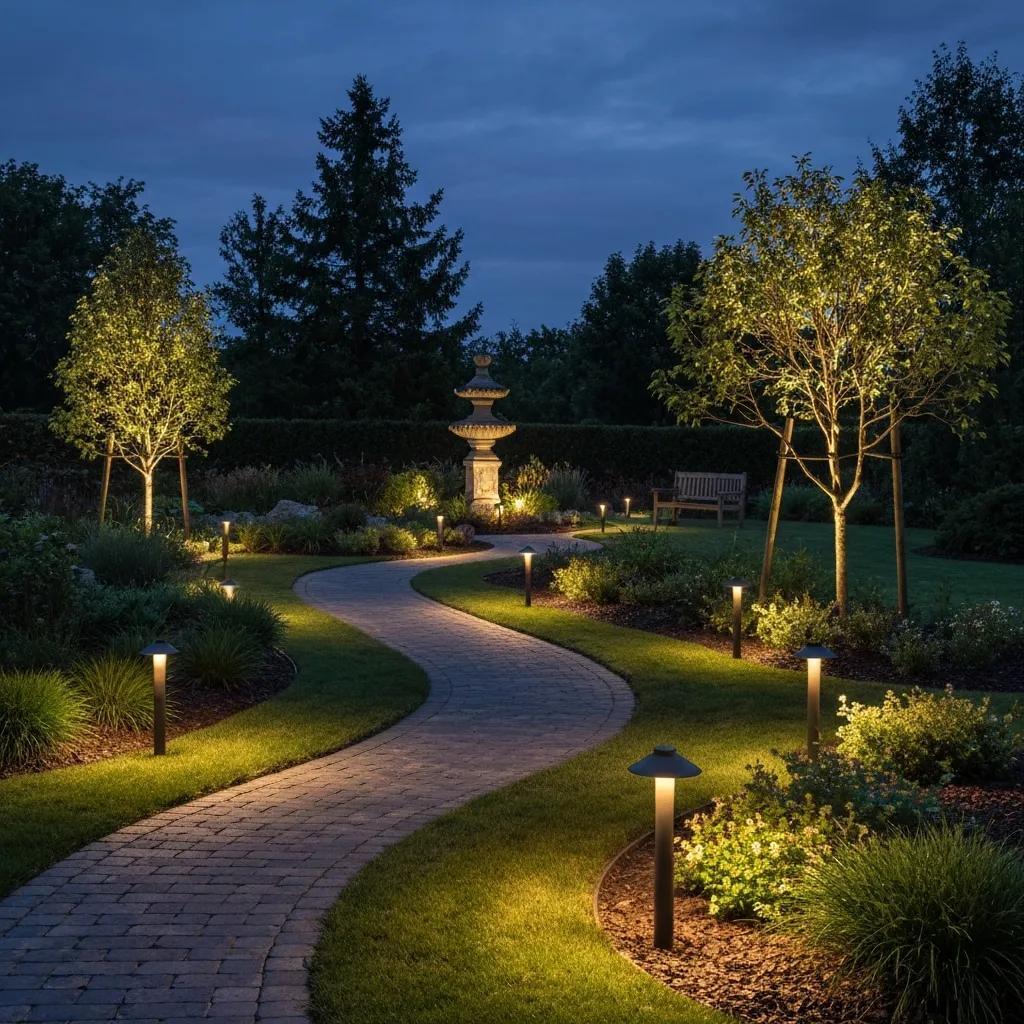
5 Consequences of Poor Landscape Lighting: Safety, Security, Aesthetics, Property Value, and Environmental Impact

Poor landscape lighting creates real problems for any property, from safety hazards and security blind spots to unattractive night views and higher long-term costs. This guide breaks down the five major consequences of inadequate outdoor lighting, showing how each one develops, why it matters, and how to address it with simple, practical steps. You will see how dim or misplaced fixtures lead to falls, reduce security visibility, distort outdoor ambiance, lower curb appeal, and contribute to light pollution and wasted energy. Each section addresses a common question and provides clear, actionable guidance, enabling you to improve your lighting layout with confidence.
What Are the Safety Hazards Caused by Poor Landscape Lighting?
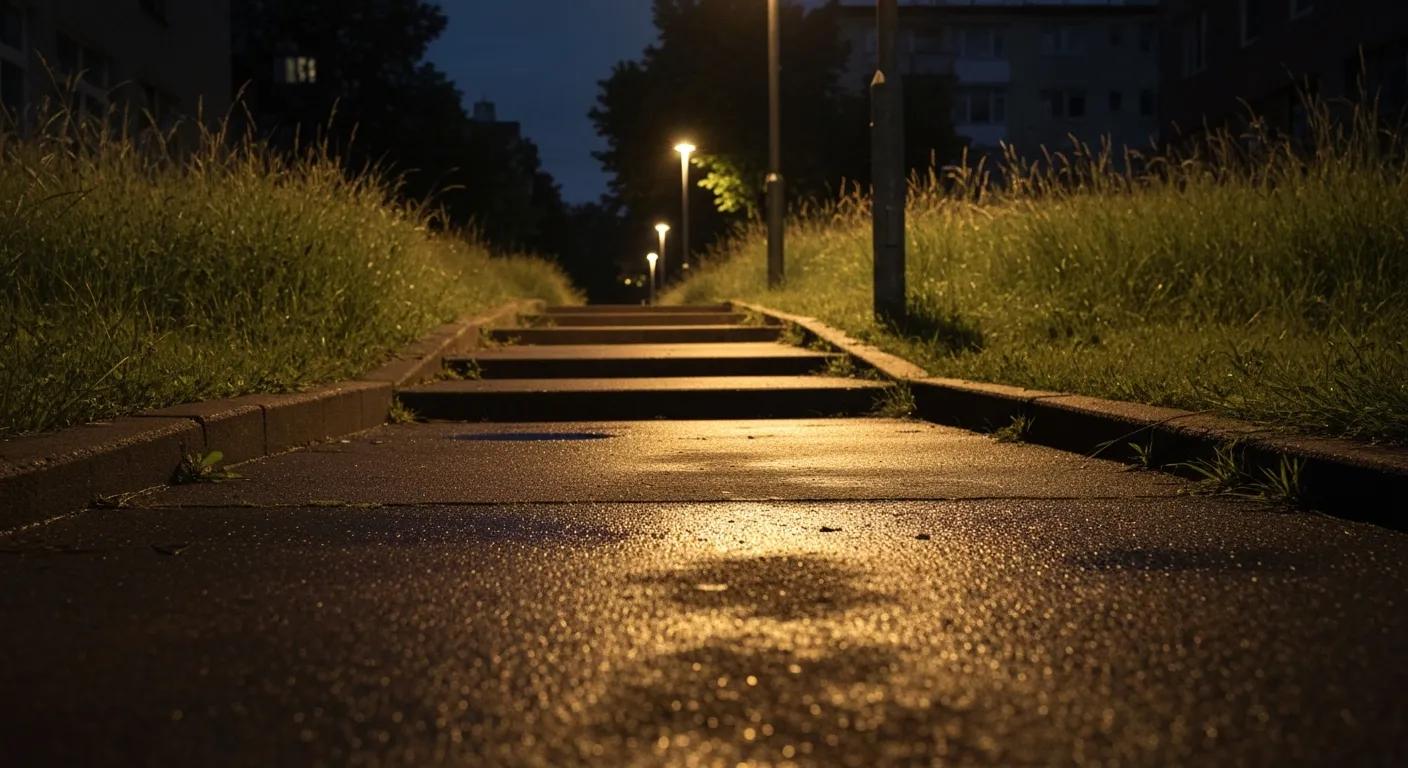
Poor landscape lighting reduces visual contrast and obscures edges, creating predictable safety hazards at night that increase the chance of trips, falls, and other injuries. Reduced illumination impairs depth perception and hides changes in surface elevation; shadows can mask steps and curbs while glare temporarily blinds approaching eyes. The practical benefit of addressing these mechanisms is immediate. Properly layered lighting from Light Disty restores contrast and reveals hazards, helping homeowners navigate safely after dark.
Below is a focused list of the most common safety hazards caused by inadequate outdoor lighting and why they matter.
- Trips and falls: Low or uneven light reduces depth perception on pathways and steps.
- Obscured steps and curbs: Missing step-edge definition hides dangerous level changes.
- Pool and water-edge hazards: Poor perimeter lighting makes water features hard to see.
- Hidden obstacles: Garden features, tools, or uneven paving become collision risks.
How Does Inadequate Lighting Increase Tripping and Fall Risks?
Inadequate lighting raises the risk of trips and falls by reducing overall illuminance and weakening the contrast needed to judge depth, surface changes, and step edges. When fixtures are placed too far apart or produce mismatched lumen levels, the walkway develops alternating bright and dark patches that hide small elevation changes, debris, or uneven paving. To maintain safe visibility, target a consistent pathway illuminance of roughly 5 to 15 lux, use shielded path lights that minimize glare, and position fixtures so their beams overlap without creating dark pockets.
A common example is a walkway lit with widely spaced bollards that create shadow bands capable of concealing a one-inch rise; adjusting fixture spacing and beam direction resolves the issue. Proper spacing, beam control, and lumen balance make outdoor paths safer and easier to navigate at night.
What Specific Outdoor Areas Are Most Vulnerable to Safety Issues?
Outdoor spaces that depend on clear visual cues are the first to develop safety problems when lighting is weak or poorly directed. Stairs, grade changes, driveways, pool edges, garden terraces, and landscape ponds become high-risk zones because even small lapses in illumination can hide lips, edges, and elevation shifts.
Effective solutions involve matching each location with the right fixture type. Stairs benefit from recessed step lights or riser-mounted LED modules that highlight each rise. Pathways and terraces need low-glare bollards or path lights that provide uniform overlapping coverage. Grade changes are best defined with narrow-beam spotlights aimed to reveal transitions, while pool perimeters require shielded, low-mounted fixtures that deliver even edge visibility without producing glare.
Maintenance is equally important. Burned-out lamps, corroded wiring, and misaligned heads quickly undo good design, so regular inspection keeps visibility consistent and reduces the chance of injuries or liability. Prioritizing these zones for controlled, shielded illumination dramatically improves safety outcomes.
| Area | Typical Visibility Issue | Recommended Fixture/Spacing |
|---|---|---|
| Pathways and walkways | Intermittent dark zones and low contrast | Low-glare path lights spaced to provide overlapping pools of light |
| Stairs and risers | Hidden edges and step lips | Recessed step lights or riser-mounted LEDs at each rise |
| Pool perimeters | Nighttime edge obscuration | Shielded low-mounted perimeter fixtures with even coverage |
| Driveways and garage approaches | Glare from high fixtures and shadow bands | Flood-diffused fixtures with proper aiming and even spacing |
How Does Poor Landscape Lighting Compromise Outdoor Security?
Poor landscape lighting compromises security by creating dark pockets and inconsistent coverage that reduce visibility, hinder detection, and provide concealment for intruders. Evenly distributed illumination deters opportunistic crime; when lighting is sparse or misdirected, shadows and blind spots form natural hiding places and reduce the effectiveness of passive surveillance. The mechanism is straightforward: darkness affords concealment and reduces the probability of detection by residents, neighbors, or cameras, which increases vulnerability. The list below covers the primary lighting issues that weaken outdoor security.
- Dark spots and blind zones: Gaps in coverage allow trespassers to approach unseen.
- Glare and washed-out scenes: Overly bright, unshielded fixtures reduce night vision and camera contrast.
- Inconsistent layering: Lack of ambient, task, and accent layers creates unpredictable sightlines.
Why Do Dark Spots and Shadows Increase Crime Vulnerability?
Dark spots and shadows increase crime vulnerability because they create concealed areas where an intruder can hide or move undetected, and these pockets reduce the perceived and actual risk of being observed during an intrusion. From a mechanism standpoint, uneven illumination breaks lines of sight and diminishes the effectiveness of motion sensors and CCTV, since sudden contrast changes can blind camera sensors or create bloom around bright sources. Simple countermeasures include layering ambient and task lighting, positioning fixtures to eliminate blind corners, and using shielded fixtures to control beam spread; even spacing and proper lumen selection restore consistent detection probability. Addressing these placement and aiming problems directly reduces the opportunity for criminal activity by increasing visibility and certainty of observation.
Street Lighting's Role in Reducing Outdoor Blind Spots and Enhancing Safety
The glare from discrete light fixtures prevents our eyes from adapting to the dark and enjoying the natural night sky. Light pollution also has negative impacts on wildlife, disrupting natural behaviors and ecosystems. The RASC Dark-Sky Protection Programs aim to preserve the night sky by promoting responsible lighting practices.
How Can Ineffective Lighting Reduce Surveillance and Perceived Safety?
Ineffective lighting reduces surveillance and perceived safety by producing glare, poor color rendering, or low illuminance that degrades camera image quality and human recognition capability. Cameras exposed to bright, unshielded fixtures facing the lens experience bloom and loss of detail, while low color temperature LEDs can alter contrast and make identification harder. Improving surveillance performance involves choosing fixtures with correct kelvin ranges (warm to neutral outdoor temps), anti-glare shields, and backlighting strategies to avoid washing out camera fields; paired with even coverage, this improves both recorded footage and occupant confidence. Perception matters: well-designed lighting raises perceived safety as effectively as it raises real detection rates, strengthening the deterrent effect.
In What Ways Does Poor Landscape Lighting Affect Outdoor Aesthetics and Ambiance?
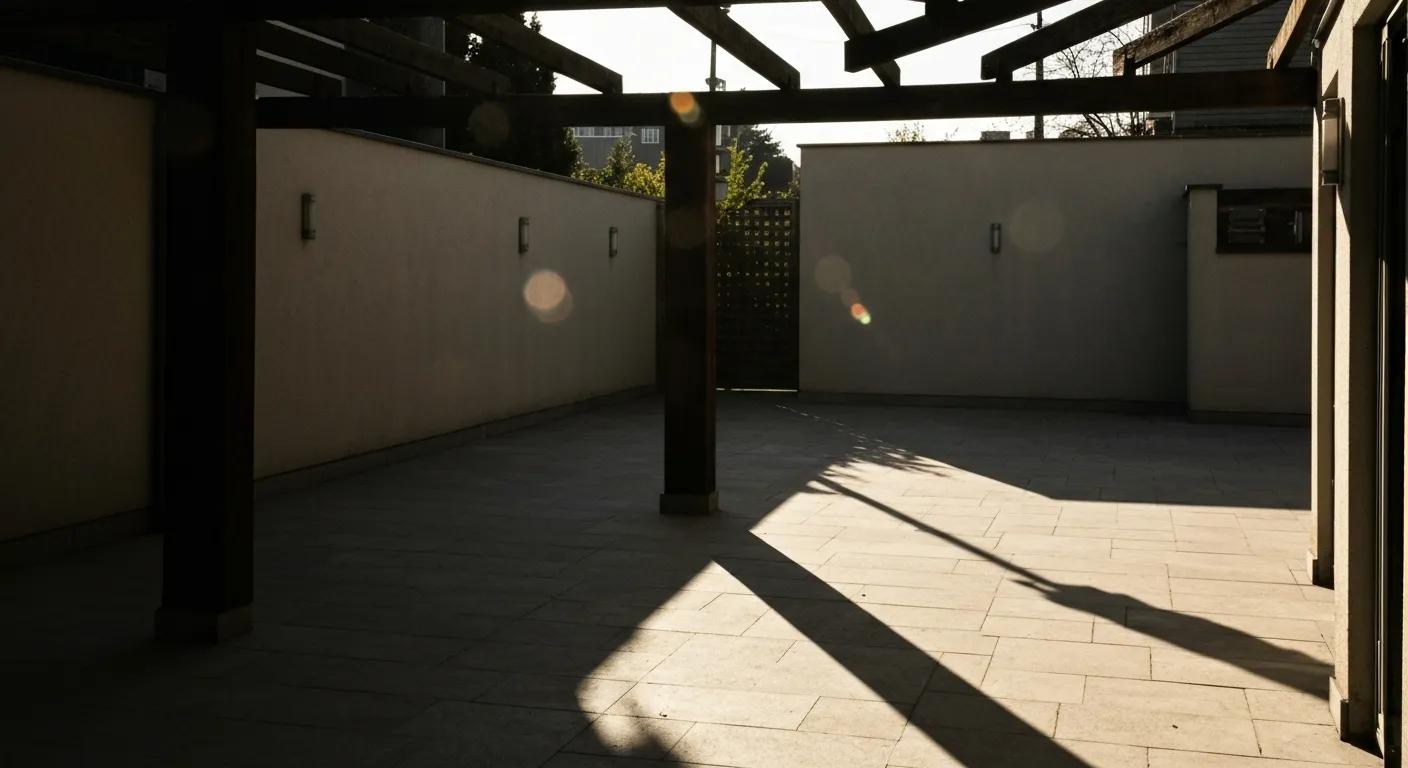
Poor landscape lighting undermines design intent by producing glare, harsh shadows, and uneven illumination that hide focal points and make outdoor spaces unattractive and unusable after dusk. When fixtures are too bright, unshielded, or poorly aimed, they flatten textures and remove the depth that good lighting provides, disrupting the intended ambiance for dining, entertaining, or quiet relaxation. Properly designed lighting enhances focal points, creates depth through layering, and uses warm color temperatures to support evening activities; fixing aesthetic problems therefore restores both beauty and functionality. The following list clarifies common visual problems and their underlying causes.
- Glare: Unshielded fixtures shine directly into sightlines and degrade comfort.
- Harsh shadows: Wrong beam angles create high-contrast areas that break cohesion.
- Uneven illumination: Mismatched fixture outputs produce visual clutter and lost focal points.
Addressing these visual issues not only improves look but also increases evening usability and the emotional warmth of outdoor spaces; the next subsections explain specific causes and how to correct them.
What Are the Visual Problems Caused by Glare, Harsh Shadows, and Uneven Illumination?
Glare, harsh shadows, and uneven illumination occur when beam angles, shielding, and lumen levels are poorly coordinated. Glare usually comes from visible bulbs or exposed optics that sit directly in a viewer’s line of sight. Harsh shadows form when a single bright source lacks complementary fill lighting, which exaggerates contrast and hides surface details. Uneven illumination appears when fixtures have mismatched outputs or inconsistent spacing, creating bright hotspots surrounded by dim pockets. You can reduce these issues by adding shielding, choosing appropriate beam spreads for each task, and standardizing lumen ranges across similar fixture types. A quick nighttime test followed by minor aiming and spacing adjustments often produces immediate visual improvement.
Dark Sky Protection: Reducing Glare and Preserving Night Skies
The glare from discrete light fixtures prevents our eyes from adapting to the dark and enjoying the natural night sky. Light pollution also has negative impacts on wildlife, disrupting natural behaviors and ecosystems. The RASC Dark-Sky Protection Programs aim to preserve the night sky by promoting responsible lighting practices.
How Does Bad Lighting Create an Uninviting Outdoor Atmosphere?
Bad lighting makes outdoor spaces feel uninviting by disrupting the cues that support comfort, such as balanced brightness, warm tone, and visual depth. When illumination is too bright, glaring, or poorly aimed, spaces feel harsh rather than welcoming. When lighting is too dim or uneven, key areas like seating zones, walkways, and gathering spots become difficult to use. Color temperature problems and single-layer setups also weaken ambiance because they flatten the scene instead of creating warmth and depth. Effective fixes include adding a layered mix of ambient, task, and accent lighting, using dimmers for adjustable mood control, and selecting warm color temperatures that promote relaxation. These adjustments restore comfort, extend outdoor usability, and support social activities around patios and gardens.
How Does Poor Landscape Lighting Impact Property Value and Financial Outcomes?
Poor landscape lighting lowers property value and increases long-term costs by weakening curb appeal, raising energy use, and exposing the homeowner to greater liability risk. A well-lit exterior signals maintenance and usability after dark, but dim, uneven, or outdated lighting reduces perceived quality during evening showings, virtual walkthroughs, and professional staging. Buyers often interpret poor illumination as a sign of deferred upkeep, which can reduce offers or slow market response.
Operational costs also climb when inefficient fixtures, outdated transformers, and unmanaged run-times consume excess energy. Frequent bulb or fixture replacement adds further expense. In addition, unsafe lighting conditions increase the chance of accidents that may lead to claims or insurance complications. The table below summarizes how each financial factor influences overall value and return on investment
| Financial Aspect | Characteristic | Typical Impact |
|---|---|---|
| Curb appeal effect | Nighttime presentation influences first impressions | Can lower buyer offers or slow sale timing |
| Energy costs | Old fixtures and long run-times increase consumption | Higher monthly bills and reduced ROI |
| Liability exposure | Injuries from poor lighting can create claims | Potential legal and insurance costs |
Why Does Low Curb Appeal from Bad Lighting Lower Resale Value?
Light Disty’s landscape lighting solutions help boost curb appeal, improve nighttime presentation, and protect property value. Poor evening presentation signals weak maintenance, limited safety, and reduced outdoor living potential. When façades, pathways, and yard features appear dim, uneven, or uninviting, buyers downgrade the home’s perceived quality and mentally compare it to properties that highlight attractive, functional outdoor spaces after dark. Enhancing lighting through clear pathway definition, balanced architectural highlighting, and consistent yard illumination elevates first impressions and supports stronger offers. A focused lighting update is often an affordable staging upgrade that increases perceived livable space and strengthens the overall value narrative during evening showings.
What Are the Hidden Costs of Inefficient Lighting on Energy Bills and Liability?
Inefficient lighting carries hidden costs through excessive energy consumption, frequent bulb or transformer replacements, and heightened liability risk from accidents that could be attributed to inadequate lighting. Old halogen systems or poorly controlled fixtures run longer and draw more power; switching to LED fixtures and adding timers or motion controls typically reduces run-times and maintenance cycles. Liability arises when poor illumination contributes to an injury on the property; documenting lighting upgrades and following recommended lumen/spacing standards helps mitigate legal exposure. Together, reduced energy bills and fewer maintenance events often offset initial upgrade costs over a reasonable payback period.
What Environmental and Energy Issues Result from Ineffective Outdoor Lighting?
Poor outdoor lighting causes environmental and energy problems by producing light pollution, disrupting wildlife, affecting human circadian rhythms, and wasting electricity. These issues arise from misdirected or excessive light, such as upward-emitting fixtures, all-night operation, or high-Kelvin LEDs, which increase sky glow and ecological disruption. Using dark-sky practices, shielded fixtures, lower Kelvin outputs, and smart controls can minimize these impacts while maintaining safety and aesthetic goals.
| Pollution Type | Ecological/Health Effect | Mitigation Option |
|---|---|---|
| Sky glow | Hides stars, disrupts astronomical observation | Shielded fixtures, downward-directed light |
| Light trespass | Intrudes into neighboring habitats or homes | Proper aiming, full-cutoff fixtures |
| Glare | Impairs night vision and harms nocturnal species | Lower lumen levels, shielding, warm kelvin LEDs |
How Does Light Pollution Affect Wildlife and Human Health?
Artificial light disrupts wildlife by interfering with nocturnal navigation, feeding, and breeding for insects, birds, and mammals. For humans, excess nighttime light, especially high-Kelvin sources, can suppress melatonin and disturb circadian rhythms, reducing sleep quality. Mitigation includes using warmer color temperatures, shielding fixtures to prevent upward light, and implementing curfews or motion-activated controls. These strategies maintain functional lighting while minimizing ecological impact and supporting human and wildlife health.
Nantucket's Outdoor Lighting Bylaw: Shielding and Height Requirements
Our goal was to determine if they would accept the “lens-less” design if it meant being more dark sky compliant. The Nantucket bylaw requires that all outdoor town lights be fully shielded and that the light source be no more than 10 feet above the ground. The bylaw also requires that the light source be no more than 10 feet above the ground. The bylaw also requires that the light source be no more than 10 feet above the ground.
What Are the Energy Waste Concerns Linked to Poor Landscape Lighting?
Energy waste results from overlighting, fixtures running all night, and outdated technologies less efficient than modern LEDs. Overlighting consumes power without improving safety or visibility, while old halogen or uncontrolled systems worsen inefficiency. Using timers, motion sensors, dimmers, and LED retrofits can significantly reduce energy use and maintenance costs. Combined with dark-sky-friendly fixtures, these measures lower operational expenses and minimize environmental impact.
| Environmental Action | Attribute | Value |
|---|---|---|
| Shielding and aim control | Reduces sky glow and trespass | High impact on the visual environment |
| Lower kelvin LEDs | Minimizes circadian disruption | Moderate impact for wildlife |
| Timers and motion controls | Cuts run-time and energy use | Significant energy savings |
What Are the Best Practices to Fix the Consequences of Poor Landscape Lighting?
Correcting poor landscape lighting requires a layered, systems-level approach, combining proper fixture selection, strategic placement, shielding, lumen and Kelvin control, and routine maintenance. Key practices include:
- Layer lighting: Combine ambient, task, and accent layers to eliminate dark pockets and harsh contrasts.
- Select appropriate lumen and kelvin: Use warm kelvin and matched lumen groups to maintain mood and visibility.
- Shield and aim fixtures: Prevent glare and upward emission to protect wildlife and sightlines.
- Implement controls: Add timers, dimmers, and motion sensors to cut energy use and extend fixture life.
How Can Proper Installation and Maintenance Improve Safety and Security?
Proper installation and maintenance improve safety and security by restoring consistent visibility, eliminating blind spots, and ensuring fixtures operate as designed throughout the year. An installation checklist includes correct fixture spacing, beam-angle selection, shielded optics, and layering to prevent dark pockets; maintenance items include lens cleaning, lamp replacement, corrosion checks on low-voltage cabling, and transformer inspections. Performing these tasks on a scheduled basis prevents degradation that reintroduces risks and keeps surveillance systems functioning optimally. When these mechanical and layout elements are handled together, they directly reduce trip hazards and deny concealment opportunities for intruders.
What Eco-Friendly Lighting Options Reduce Environmental Impact and Energy Waste?
Eco-friendly lighting options reduce environmental impact and energy waste by combining efficient sources with smart control and dark-sky-compliant design. Dark-sky fixtures with full cutoff optics prevent upward emission, warm low-kelvin LEDs reduce circadian disruption, and intelligent controls like timers and motion sensors minimize active hours. Decision criteria include local wildlife concerns, energy-saving goals, and compliance with municipal codes; selecting fixtures that meet these criteria preserves nighttime ecology and reduces operating costs. Together, these measures balance human needs for safety and ambiance with the imperative to reduce light pollution and energy consumption.
| Upgrade Option | Characteristic | Expected Outcome |
|---|---|---|
| LED retrofit | Efficient light source with long life | Lower energy & maintenance costs |
| Shielded fixtures | Directs light downward only | Reduced sky glow and trespass |
| Timers/motion sensors | Limits active run-time | Significant energy savings |
Conclusion
Improving landscape lighting is essential for enhancing safety, security, aesthetics, and property value while minimizing environmental impact. By addressing common issues such as dark spots, glare, and uneven illumination, property owners can create inviting and functional outdoor spaces. Discover how Light Disty’s range of landscape lighting solutions can transform your outdoor environment, enhancing safety, beauty, and efficiency. Discover our range of lighting solutions to transform your outdoor environment today.