FREE LARGE PROJECT CONSULTATION
CLICK HERE to schedule an appointment with our lighting expert.
5% OFF ANY ORDER Use Code: SUPER5OFF

Choosing the Right Specialty Lighting: A Complete Guide to Fit Your Unique Space and Needs
Choosing the right lighting can completely transform a space, but with so many options, such as ambient, task, accent, and decorative, it can quickly feel overwhelming. Specialty lighting is more than just illumination; it helps set the mood, supports daily activities, highlights important features, and can even improve energy efficiency and well-being. This guide will explain how different lighting types work, how color temperature and CRI affect perception, and how modern, smart, and energy-efficient systems can make a real difference in your home or workplace. You will also find practical tips, room-by-room checklists, and strategies to help select fixtures that look great, perform well, and meet your needs without guesswork. By the end, you will feel confident making lighting choices that balance style, comfort, and functionality.
What Are the Main Types of Specialty Lighting and Their Uses?
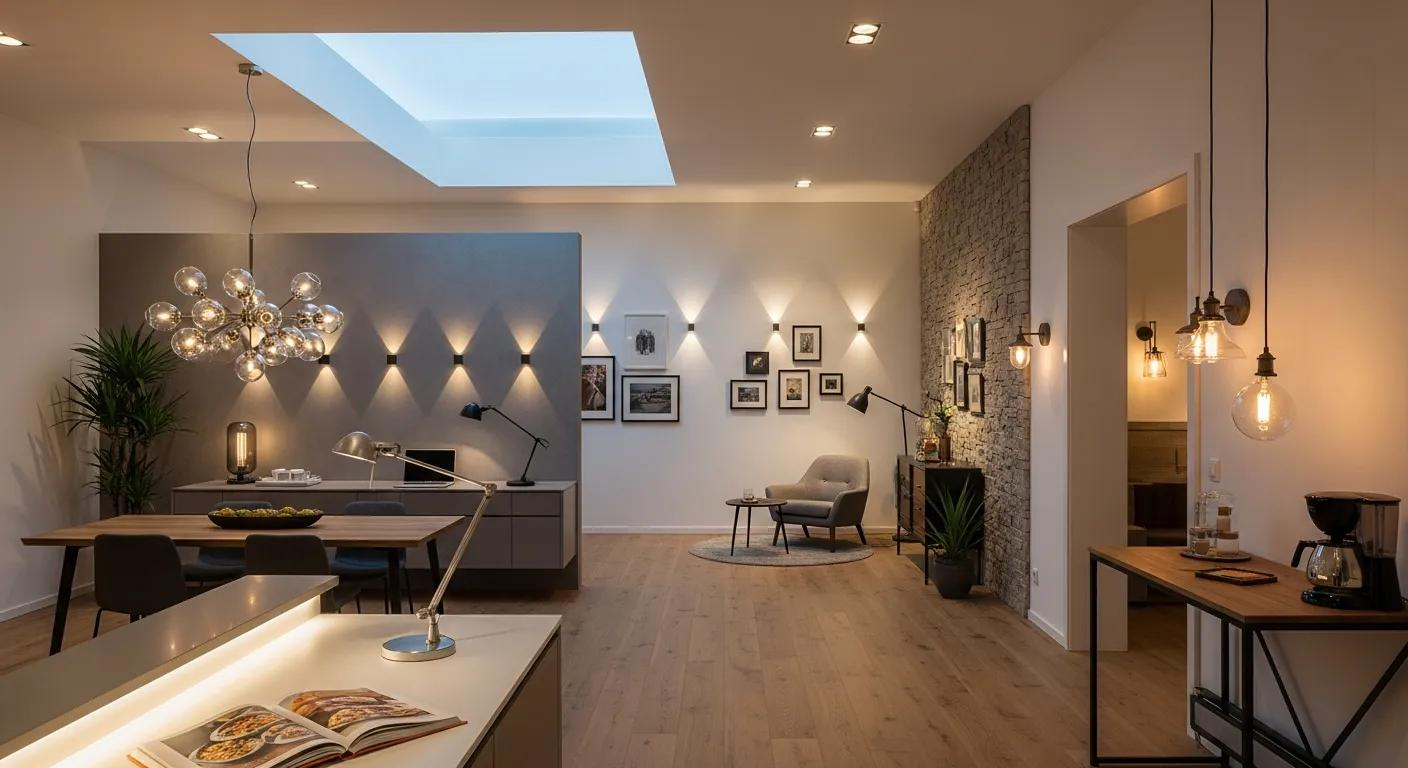
Specialty lighting is organized by purpose and outcome. Each type serves a specific role in making a space functional, comfortable, and visually appealing. Ambient lighting provides general illumination, task lighting focuses on activities that need precise light, accent lighting highlights key features, and decorative lighting adds style and personality to a room or brand environment.
These lighting categories work by controlling how light is distributed, its intensity, and its color, which improves both functionality and perception in a space. Knowing the differences helps you decide whether to focus on even illumination, precise beam control, or fixtures that make a visual statement.
Here’s a simple overview to make selecting the right type easier:
- Ambient Lighting: Provides overall illumination for safe movement and basic visibility.
- Task Lighting: Offers focused light for activities such as cooking, reading, or medical procedures.
- Accent Lighting: Highlights art, displays, or architectural features to create depth and focal points.
- Decorative Lighting: Adds visual interest and style with sculptural or artistic fixtures.
This list helps clarify immediate functional choices and sets the stage for fixture examples and installation tips that guide your final selection.
| Lighting Category | Typical Fixtures | Recommended Kelvin / CRI |
|---|---|---|
| Ambient | Recessed fixtures, ceiling troffers, and integrated cove | 2700–3500K; CRI 80–90+ |
| Task | Under-cabinet LEDs, adjustable pendants, desk lamps | 3000–4000K; CRI 90+ for accuracy |
| Accent | Track heads, spotlights, miniaturized micro-LEDs | 2700–3500K; CRI 90+ for art |
| Decorative | Chandeliers, sculptural pendants, and LED strips | 2200–3000K; CRI 80–95 depending on finish |
How Does Ambient, Task, and Accent Lighting Differ?
Ambient lighting supplies the uniform base layer that ensures overall visual comfort, task lighting zeroes in on activity zones to meet lux targets, and accent lighting shapes visual hierarchy by creating contrast and focus. The mechanism behind these differences is distribution control: ambient uses wide, even beams; task uses narrow or directional optics to raise local lux; accent uses tight beams to create contrast ratios. Typical fixture choices include recessed downlights or cove systems for ambient, adjustable task pendants or desk lamps for tasks, and track or adjustable spot fixtures for accents. When specifying, consider interaction: start with ambient lighting to meet safety and base lux, then add task lighting for performance, and finish with accent lighting for drama and wayfinding. Proper sequencing reduces glare, prevents shadows, and ensures fixtures complement rather than compete with each other.
What Role Does Decorative Lighting Play in Enhancing Space Aesthetics?
Decorative lighting adds personality and style to a space. It uses sculptural fixtures and special materials to create focal points and reinforce the overall design. Pieces such as statement pendants or integrated LED coves can change how a room feels by affecting scale, texture, and atmosphere. To look and perform their best, decorative fixtures need to harmonize with other lighting layers in terms of finish and color temperature.
When choosing decorative lighting, consider a few key guidelines:
- Scale: Make sure the fixture size fits the room’s dimensions.
- Finish: Coordinate with surfaces and materials so the fixture complements the space.
- Control Compatibility: Check that dimmers and preset scenes work with your overall lighting system.
In commercial settings, decorative lighting can also support branding and marketing. Well-placed fixtures can draw attention to entrances, highlight products, and enhance the overall brand experience. The goal is to balance visual impact with practical concerns such as maintenance, energy use, and serviceability, so style does not come at the expense of performance.
These considerations naturally lead into understanding how color temperature and CRI influence both style and perception.
How Do Lighting Design Principles Influence Specialty Lighting Choices?

Lighting design goes beyond choosing fixtures. Principles such as color temperature, CRI, intensity, beam distribution, and layering determine how a space looks, how colors appear, and how people perform tasks. Color temperature influences mood and circadian responses, with warmer light creating a cozy feel and cooler light promoting alertness. CRI affects color accuracy, which is critical in kitchens, galleries, and retail spaces. Beam distribution and layering control shadows, glare, and visual hierarchy, helping to create depth and guide attention. Designers use Kelvin and CRI ranges to meet both functional targets, like lux levels, and aesthetic goals such as warmth and clarity.
Here is a quick-reference table for common spaces to guide fixture selection and specification:
| Space Type | Recommended Color Temperature | Recommended CRI |
|---|---|---|
| Living Room / Hospitality | 2700–3000K | 90+ |
| Kitchen / Task Areas | 3000–4000K | 90+ |
| Retail / Merchandising | 3000–3500K | 90–95 |
| Museum / Gallery | 3000–3500K (tunable) | 95+ |
| Office / Home Office | 3500–5000K (tunable white) | 90+ |
This table provides immediate guidance for balancing mood and color fidelity and prepares you to sequence layers effectively.
Why Are Color Temperature and CRI Critical for Lighting Selection?
Color temperature and CRI shape how people perceive color, texture, and materials, affecting aesthetics, safety, and task performance. Kelvin determines whether light feels warm and relaxing or cool and alert, and tunable white systems allow adjustment throughout the day. CRI measures how accurately colors appear under a light source, with higher values (90+) needed in spaces like retail, galleries, and healthcare where precise color rendering matters. When specifying fixtures, check measured metrics from manufacturers and validate them with in-situ mock-ups, since two lights with the same Kelvin can look different if their CRI or spectral output varies. Understanding these factors simplifies coordination with finishes and displays and reduces costly rework. These considerations also form the foundation for effective layering strategies that create depth and visual hierarchy.
How Does Layered Lighting Create Depth and Visual Interest?
Layered lighting combines ambient, task, and accent layers to create depth, proportion, and focal hierarchy, using contrasts in intensity and direction to guide visual attention. The method begins with ambient illumination to set base lux, adds task fixtures where higher localized lux are needed, and finishes with accent pieces that generate contrast ratios (often 3:1 to 5:1) to highlight key features. Practical sequencing tips include zoning controls per layer, using beam angles to sculpt light, and adjusting contrast rather than simply increasing brightness to avoid glare. Common pitfalls are over-lighting with redundant fixtures and mismatched color temperatures across layers; both reduce perceived quality and increase energy use. Applying a layered approach ensures flexible scenes and supports occupant comfort while reinforcing architectural form.
How Can You Choose Specialty Lighting for Different Rooms and Spaces?
Choosing lighting for each room means matching fixtures, controls, and distribution to how the space is used, the desired mood, and energy goals. Consider task requirements, ambiance, and maintenance, then select lights that are easy to service and compatible with controls. Here is a simple room-by-room guide for common residential spaces:
- Kitchen: Task-first lighting with under-cabinet LEDs and adjustable pendants over islands, featuring a CRI of 90+ for optimal food preparation.
- Living Room: Layer warm ambient light (2700–3000K) with accent and dimmable decorative fixtures for mood.
- Bedroom: Tunable white bedside task lights and low-glare ambient lighting for sleep-friendly evenings.
- Home Office: High-CRI task lamps with neutral-to-cool tunable white (3500–5000K) for alertness.
This concise approach helps homeowners and designers make practical lighting choices quickly while ensuring both functionality and style.
What Are the Best Specialty Lighting Solutions for Residential Spaces?
Residential lighting should balance comfort, functionality, and style. Kitchens work best with layered task lighting, such as high-CRI under-cabinet strips and adjustable pendants. Living rooms benefit from warm ambient light with accent fixtures to highlight focal points. Bedrooms use dimmable tunable white systems for circadian-friendly evenings, while home offices need cool-neutral task lighting with minimal glare. Controls like zoning, scene presets, and occupancy sensors make it easy to adjust light for different activities. Choosing serviceable fixtures and reliable LED modules reduces costs and maintains aesthetics. These principles also inform commercial projects, supporting branding and measurable performance.
How Does Specialty Lighting Enhance Commercial and Architectural Projects?
In commercial and architectural spaces, specialty lighting supports branding, wayfinding, merchandising, and façade expression through targeted strategies and measurable results. Retail uses accent lighting and high-CRI beams to improve product visibility and drive sales, while hospitality applies layered tunable white lighting to shape guest experiences throughout the day. Architectural façades benefit from texturing, grazing, and controlled uplighting to highlight materials and curb appeal. Effective implementations link lighting to metrics such as dwell time, sales per square foot, or guest satisfaction, ensuring ROI. Pre-commissioning tests, case-driven procurement, and post-occupancy validation help turn design intent into real performance, often integrating energy-efficient technologies and smart controls for long-term value.
What Are the Benefits of Energy-Efficient and Smart Specialty Lighting Solutions?
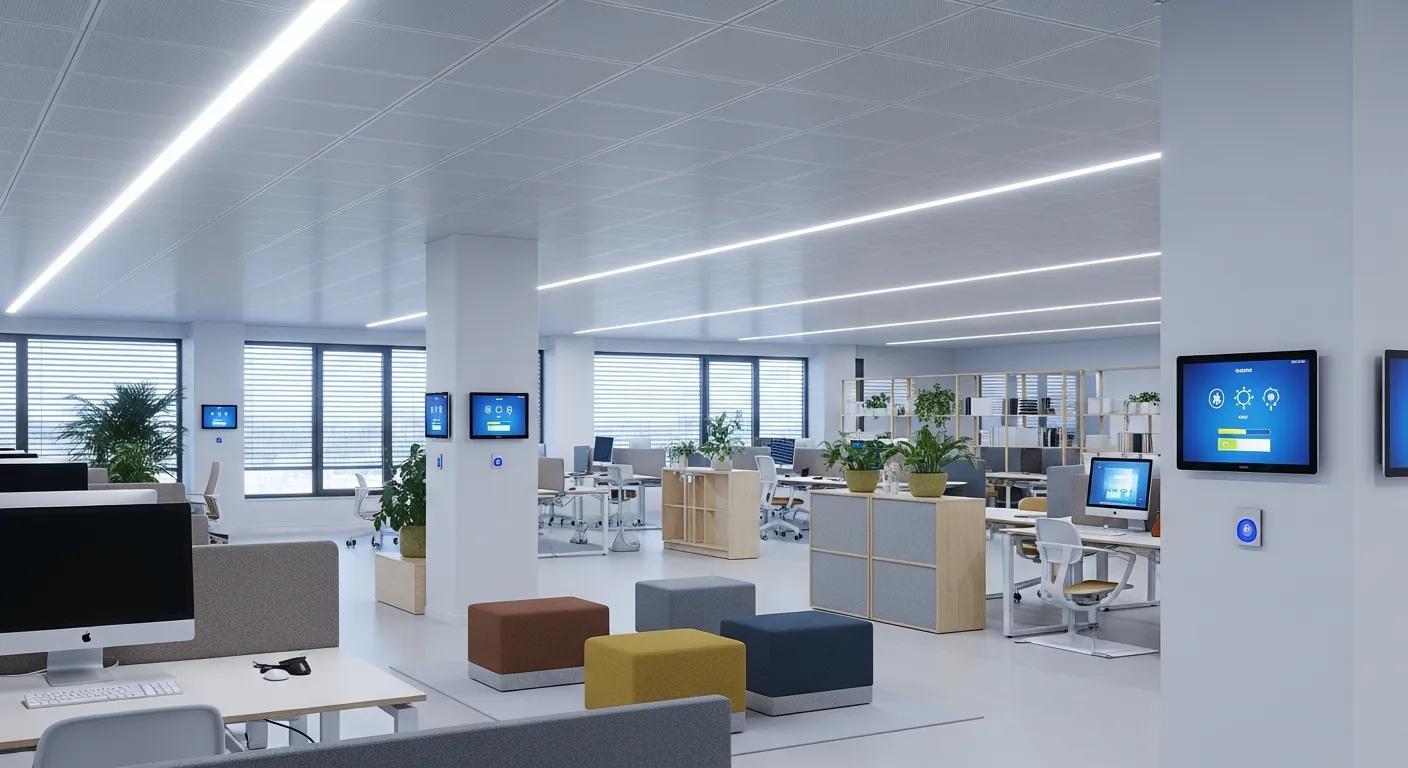
Energy-efficient and smart lighting reduces energy use, lowers maintenance costs, and improves controllability, providing clear operational and sustainability benefits. LED modules offer long life and 40–70% energy savings compared to fluorescent lighting. Tunable white supports circadian rhythms, enhancing alertness and comfort. Smart controls, including sensors and AI-driven scheduling, further optimize energy use, often saving an additional 10–30%. Micro-LED and OLED technologies allow thin, integrated fixtures for flexible design. Understanding these benefits helps stakeholders prioritize investments and ensures proper integration and commissioning to achieve projected savings.
| Technology | Primary Benefit | Example Metric / Value |
|---|---|---|
| LED modules | Lower energy use and long life | 40–70% energy savings vs. fluorescent |
| Tunable white | Dynamic circadian support | Improves occupant alertness and comfort |
| Smart controls (sensors/AI) | Reduced runtime and optimized scenes | 10–30% additional energy savings |
| Micro-LED / OLED | Design flexibility with thin profiles | Enables invisible or integrated fixtures |
This comparison helps stakeholders prioritize investments and directs attention to integration and commissioning, which are essential to realize projected savings.
How Does LED Technology Improve Energy Efficiency and Lighting Quality?
LEDs boost energy efficiency by converting more electricity into usable light, lowering wattage for the same lumen output compared to older lamps. They have long lifetimes, reducing maintenance and replacement costs, and support features such as dimming, tunable white, and high CRI for accurate color rendering. When specifying LEDs, check lumen maintenance (L70/L90), spectral power distribution, and thermal management to ensure long-term performance. Combining LEDs with smart controls accelerates ROI through lower energy bills and reduced maintenance, especially in high-use commercial spaces. Validating manufacturer data with in-situ tests ensures expected performance matches real-world results and sets the stage for integrating AI-driven controls to further optimize lighting.
What Are the Latest Innovations in Smart Lighting and AI Integration?
Recent innovations include AI-driven scene optimization, occupancy and daylight harvesting, and integration with building management systems for holistic energy control. AI can analyze usage patterns, adjust schedules automatically, and create personalized lighting profiles in workplaces and hospitality. Examples include automated circadian tuning for HCL and predictive maintenance alerts to reduce downtime. These systems require clear data governance, open protocols, and staged commissioning to ensure interoperability and measurable savings. Properly deployed, AI-driven controls improve both energy efficiency and occupant experience by aligning light with actual activity and environmental conditions.
What Are the Top Specialty Lighting Trends for 2025 to Consider?
In 2025, key trends include human-centric lighting (HCL), AI-enabled controls, miniaturization and invisible lighting, and sustainable design with lifecycle planning. HCL requires tunable white schedules to support circadian health. AI and predictive controls optimize runtime and adapt scenes to usage patterns. Miniaturization through micro-LED and OLED enables seamless integrated fixtures and refined aesthetics. Sustainable design focuses on material choice, durability, and end-of-life strategies. These trends guide designers in specifying lighting that meets both occupant and business goals.
Top 2025 trends introduction: These concise trend items help planners prioritize innovation that aligns with occupant and business goals.
- Human-Centric Lighting (HCL): Tunable white schedules that support circadian health and productivity.
- AI and Predictive Controls: Systems that optimize runtime and adapt scenes based on usage patterns.
- Miniaturization & Invisible Lighting: Micro-LED/OLED enabling seamless integrated fixtures and refined aesthetics.
- Sustainable Design: Focus on material choices, longevity, and end-of-life strategies.
How Does Human-Centric Lighting Improve Well-being and Productivity?
Human-centric lighting aligns indoor light with circadian rhythms, promoting alertness during the day and relaxation in the evening. Tunable white and spectral tuning support melatonin regulation, with blue-enriched light for daytime alertness and warmer tones for evening wind-down. Studies show HCL can improve sleep quality, subjective well-being, and daytime performance. Effective implementation involves zoning, scheduling tunable white profiles, and combining lighting with behavioral guidance. Proper commissioning and post-occupancy monitoring ensure measurable benefits.
What Are the Impacts of Miniaturization and Invisible Lighting Designs?
Miniaturization using micro-LED and OLED enables ultra-thin, recessed, or continuous lighting integrated into architectural surfaces, offering clean aesthetics and new ways to emphasize form without visible fixtures. Design possibilities include linear lines, hidden coves, and pinpoint accents, though trade-offs include serviceability, cost, and sometimes lower lumen output. Architects gain expressive control, while facility managers must plan for maintenance and replacement. Careful planning ensures miniaturized systems remain functional and visually effective over their lifecycle.
How Can You Evaluate and Implement Specialty Lighting Solutions for Your Needs?
Evaluating and implementing specialty lighting requires a structured process: needs assessment, performance specification (lux, CRI, Kelvin), mock-ups and prototyping, procurement with clear deliverables, staged installation, commissioning, and post-occupancy validation. This pipeline ensures design intent translates into measurable outcomes and minimizes costly change orders. Prioritize early-stage photometric modeling and sample evaluations, and insist on pre-commissioning checks and final verification against lux targets and energy projections.
The numbered checklist below outlines a pragmatic roadmap for teams to follow when moving from concept to validated installation.
- Assess Needs: Document activities, target lux, aesthetic goals, and operational constraints.
- Specify Performance: Set CRI, Kelvin ranges, lumen outputs, beam angles, and control protocols.
- Prototype & Mock-up: Test fixtures in situ to validate appearance and performance.
- Procure & Install: Use clear technical submittals and staged installation with quality checks.
- Commission & Validate: Verify scenes, sensors, and measured lux against targets; adjust as needed.
This roadmap establishes expectations and prepares teams for the case-study evidence that demonstrates value.
| Decision Factor | What to Measure | Typical Target / Value |
|---|---|---|
| Visual Performance | Lux, CRI, glare indices | Meets task lux; CRI ≥90 where needed |
| Energy & ROI | kWh savings, payback years | 40–70% energy reduction typical with LEDs |
| Controls Compatibility | Protocols, integrations | Open standards; BMS integration |
| Maintenance | Access, warranty, and lumen maintenance | L70 >50,000 hours recommended |
This decision table clarifies priorities during supplier selection and contract specification.
What Key Factors Should You Consider When Choosing Specialty Lighting?
When selecting specialty lighting, consider functional requirements like lux targets and visual tasks, spectral needs such as CRI and Kelvin, beam distribution, controls compatibility, lifecycle costs, and regulatory compliance. Evaluate options using performance metrics like lux maps, glare indices, and spectral data rather than appearance alone. Mock-ups in key spaces help validate color rendering and shadowing. Operational factors service access, warranties, and control system openness, impact the total cost of ownership and flexibility. Prioritizing measurable specifications reduces ambiguity, aligns stakeholders, and streamlines procurement.
How Do Case Studies Demonstrate Successful Specialty Lighting Applications?
Case studies show problem → solution → measurable benefit, illustrating real-world results. A retail example might describe poor product visibility, the introduction of high-CRI accent lighting with adjustable tracks, and measured increases in dwell time and conversion. Hospitality projects may show how HCL schedules improved guest satisfaction and reduced complaints. Presenting numeric outcomes like energy saved, engagement improvements, or occupant feedback makes the value clear to decision-makers. These cases help teams replicate success and guide consultations that align lighting strategies with commercial objectives and measurable KPIs.
Conclusion
Choosing the right specialty lighting transforms spaces, enhances experiences, and delivers measurable results for both residential and commercial projects. By understanding lighting types, design principles, energy-efficient technologies, and emerging trends like human-centric and AI-driven solutions, you can make informed decisions that balance aesthetics, functionality, and sustainability. Light Disty offers expert guidance, curated solutions, and innovative products to help you implement lighting strategies that elevate your space, improve occupant experience, and maximize long-term value. Whether planning a home, office, or commercial environment, leveraging these insights ensures every fixture contributes to a well-lit, visually engaging, and efficient space.