FREE LARGE PROJECT CONSULTATION
CLICK HERE to schedule an appointment with our lighting expert.
5% OFF ANY ORDER Use Code: SUPER5OFF

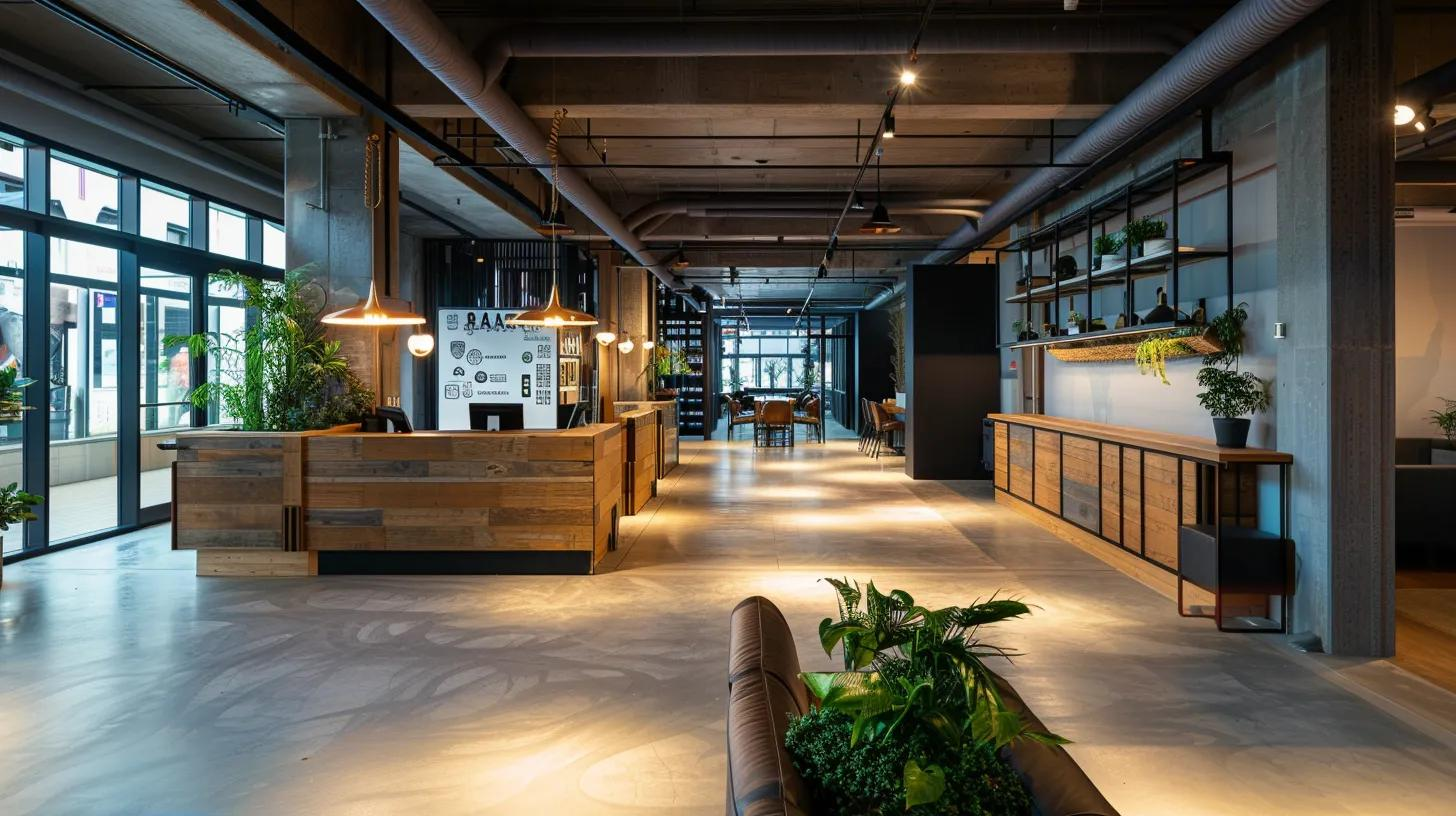
Maximizing Commercial Spaces with Specialty Lighting: Design, Installation and Smart Solutions
Specialty lighting shapes perception, highlights architecture, and influences how people experience commercial spaces. Developers and designers leverage it to create luxury, productive, or welcoming environments that boost leasing appeal and property value. This article covers how commercial lighting design and expert installation work together to enhance ambiance, improve energy efficiency, and support marketing goals. You’ll learn about key fixture types, LED and smart system benefits, installation best practices, 2026 trends like human-centric lighting and IoT integration, and strategies for translating lighting into stronger branding and faster leasing.
What Are Specialty Lighting Solutions and How Do They Enhance Ambiance?
Specialty lighting solutions are targeted lighting approaches, accent, task, decorative, and architectural treatments designed to serve specific visual and experiential goals beyond uniform illumination. They work by manipulating intensity, direction, color temperature, and contrast to shape sightlines, define zones, and evoke moods that guide occupant behavior and perception. Applying specialty lighting intentionally improves wayfinding, emphasizes materials and branding, and creates scenes that support retail conversion, hospitality comfort, or workplace focus. The following subsections break down types and explain how they translate into customer experience and property value impacts.
What Types of Specialty Lighting Create Unique Commercial Ambiences?
Specialty fixture families include accent fixtures, cove and linear systems, pendant and decorative luminaires, façade and landscape lighting, and task-focused solutions that support work zones and retail displays. Accent lighting draws attention to merchandise, art, or architectural features by increasing local contrast and creating focal points, while cove and linear lighting provide smooth ambient layers that soften spatial transitions. Pendant and decorative fixtures add branding and scale, and façade lighting enhances curb appeal after dark by articulating materiality and massing. These fixture types are selected and tuned to achieve specific ambiance goals through placement, beam control, and color rendering.
How Does Specialty Lighting Impact Customer Experience and Property Value?
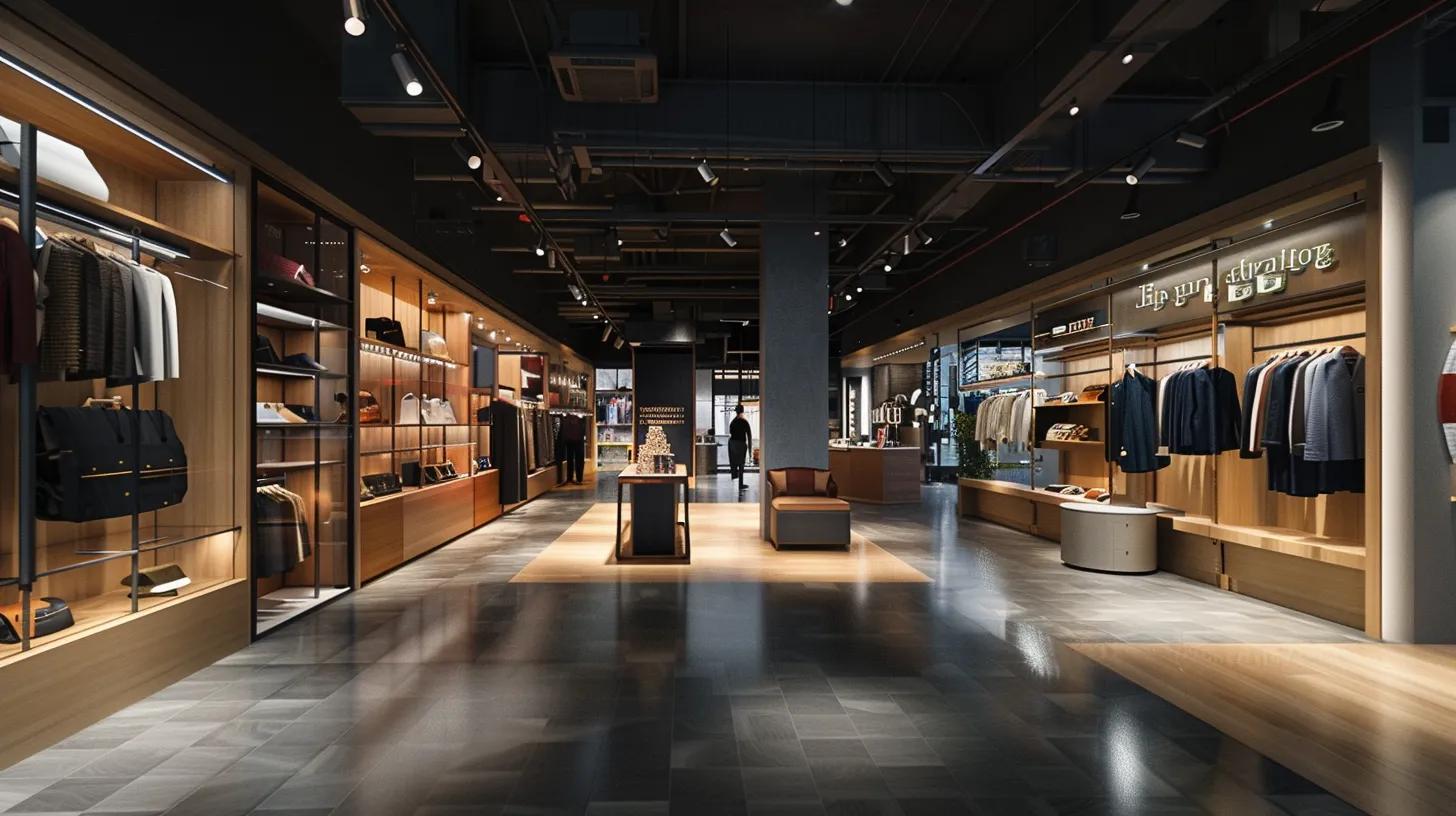
Specialty lighting affects customer dwell time, perception of quality, and wayfinding clarity, which in turn influence sales velocity, tenant satisfaction, and leasing rates. Appropriate lighting can increase perceived luxury, making spaces command premium rents or attract higher-value tenants, while energy-efficient systems reduce operating expenses and support net operating income. Behavioral effects include longer dwell time in retail when accent layers highlight merchandise and improved productivity in offices where task lighting reduces eye strain. Quantifying these impacts drives business cases: improved visual appeal supports stronger marketing photography and higher conversion metrics, which are priorities for developers and asset managers.
Different specialty lighting types and their typical ambiance effects are summarized below to aid specification.
| Lighting Type | Typical Purpose | Ambiance Effect |
|---|---|---|
| Accent lighting | Highlight objects/features | Increases focus and perceived value |
| Cove/linear lighting | Create an ambient wash | Softens transitions and adds warmth |
| Pendant/decorative | Define scale/brand statements | Adds personality and visual identity |
| Façade lighting | Illuminate exterior architecture | Enhances curb appeal and nighttime presence |
| Landscape lighting | Outdoor wayfinding & mood | Extends usable hours and creates approachability |
How Does Commercial Lighting Design Maximize Ambiance in Business Spaces?
Commercial lighting design maximizes ambiance by layering ambient, task, and accent lighting with coordinated control strategies that regulate light levels and color to match function and time of day. The design process balances photometric requirements, material finishes, and human factors such as glare control and circadian-supportive color tuning to create spaces that feel comfortable and purposeful. Designers translate program goals, retail conversion, hospitality warmth, or office productivity into fixture selections, placement plans, and control narratives that integrate with architectural and MEP systems. The next subsections outline the stepwise design workflow for new developments and specific strategies that deliver productive, inviting environments.
What Is the Process of Commercial Lighting Design for New Developments?
A rigorous commercial lighting design process follows assessment, concept development, documentation, and commissioning phases aligned with construction milestones and procurement cycles. The assessment phase gathers program goals, site constraints, and adjacency diagrams, then informs concept renderings and preliminary photometrics that quantify light distribution and contrast. Documentation produces fixture schedules, control diagrams, and coordination drawings for MEP integration, while commissioning confirms performance through acceptance testing and control scenes. Deliverables at each phase include concept visuals, photometric files, specification packages, and test reports reduce change orders and ensure the design intent is realized during installation.
Which Lighting Strategies Create Productive and Inviting Commercial Environments?
Effective strategies combine appropriate color temperature, high CRI, zoned controls, glare mitigation, and task-specific fixtures to balance productivity and hospitality. Offices benefit from cooler tones and high-CRI task lighting for alertness, while hospitality spaces thrive with warmer ambient layers that enhance relaxation and wayfinding. Zoning and automated scheduling allow spaces to support multiple activities, with lux targets, CRI 90+, and glare indices guiding specifications. Successful implementation requires coordination between lighting design and controls engineering to ensure seamless scene transitions.
For developers and marketers, tailored commercial lighting can serve as a strategic amenity that enhances listing photography, open-house experiences, and overall leasing appeal. Early consultation or design review helps align lighting goals with marketing strategies while maintaining operational and visual performance.
What Are the Benefits of Architectural Lighting Solutions for Developers and Architects?

Architectural lighting solutions amplify materiality, articulate massing, and reinforce brand narratives while delivering operational savings through efficient technology and controls. By emphasizing textures, planes, and façades, lighting elevates nighttime presence and wayfinding, increasing visibility to potential tenants and customers. Energy and maintenance savings from LED fixtures and smart controls improve lifecycle economics, and well-documented lighting strategies support sustainability certifications that many developers pursue. The following H3s examine techniques for highlighting architecture and the measurable advantages of LED and smart systems.
How Does Architectural Lighting Highlight Building Features and Enhance Visual Appeal?
Techniques like grazing, silhouette backlighting, uplighting, and controlled wash lighting reveal texture, edge, and form to make architectural compositions more legible at night. Grazing emphasizes relief and materiality by placing linear fixtures close to textured surfaces, while silhouette and uplighting accentuate forms and create striking profiles against the sky. Interior applications use targeted accent and slot lighting to reveal joinery and decorative finishes, improving perceived quality in common areas and lobbies. These techniques increase nighttime visibility, improve wayfinding, and support marketing by producing compelling imagery for listings and promotional materials.
Why Choose LED and Smart Lighting Technologies for Sustainable Projects?
LED fixtures paired with smart lighting controls deliver measurable reductions in energy consumption, extended service life, and lower maintenance costs compared with conventional light sources, directly improving operating expense profiles. Smart systems enable occupancy sensing, daylight harvesting, and scene control that optimize energy use and maintain consistent visual comfort, which supports certification goals like LEED or WELL. The table below compares common technologies on energy, lifespan, and maintenance impact to clarify decision points for developers evaluating long-term value.
| Technology | Attribute | Measurable Benefit |
|---|---|---|
| LED fixtures | Energy consumption | Up to 50-70% lower energy vs. halogen/incandescent |
| Smart controls | Automated dimming & scheduling | Reduces runtime and energy costs; enables scenes |
| Sensors & IoT | Occupancy/daylight sensing | Lowers wasted light, extends fixture life |
| Integrated BMS | Centralized management | Simplifies maintenance and reporting |
How Do Specialty Lighting Installation Services Ensure Optimal Ambiance and Functionality?
Specialty lighting installation services bridge design intent and operational reality through precise mounting, wiring, controls integration, and commissioning workflows that validate performance. Skilled installers coordinate with structural, façade, and MEP trades to ensure fixture placement, access, and safety are preserved while minimizing rework. Commissioning and acceptance testing verify lux levels, scene transitions, and control interoperability so that lighting scenes perform as specified. The following subsections outline key installation considerations and the collaborative benefits of integrated project teams.
What Are the Key Considerations in Installing Specialty Lighting for Commercial Spaces?
Critical considerations include access for maintenance, coordination with ceiling systems and finishes, correct mounting and aiming of accent fixtures, and robust wiring and power management for dimming and control networks. Compliance with local electrical codes, surge protection for LED drivers, and clear labeling of circuits reduce service interruptions, while pre-installation mockups and site surveys catch conflicts early. Scheduling coordination with other trades avoids site delays, and planning for spare parts and replacement drivers improves long-term uptime. Attention to these technical details ensures the installed system both realizes the design and remains maintainable.
How Does Collaboration Between Lighting Experts and Designers Improve Project Outcomes?
Early collaboration between lighting designers, architects, and installation teams ensures alignment on fixture selection, mounting, and control sequences, reducing costly change orders. Coordinated drawings, mockups, and lighting tests clarify expectations and expedite commissioning. Integrated workflows let lighting teams advise on procurement, verify control interoperability, and set acceptance criteria, shortening schedules, lowering risk, and preserving design intent through project closeout.
Installation Checklist for Commissioning:
- Confirm fixture locations, aiming, and photometric compliance.
- Validate control wiring, network addressing, and scene programming.
- Verify access panels, spare parts, and maintenance documentation.
- Conduct acceptance testing with lux measurements and user-scene walkthroughs.
What Are the Latest Trends in Specialty Lighting to Maximize Ambiance in 2026?
In 2026, human-centric lighting, integrated smart ecosystems, sustainability-forward materials, and tunable white systems are converging to offer dynamic, health-centered, and measurable ambiance control. Human-centric lighting (HCL) emphasizes circadian-friendly spectra and schedules to support wellbeing and productivity, while smart lighting platforms connect sensors, BMS, and marketing tools to enable scene automation and data-driven maintenance. Sustainability trends include lower embodied-carbon fixtures and recyclable components, and tunable white systems allow spaces to shift character across the day. The next H3s unpack HCL and smart systems and their practical implications for developers and operators.
How Is Human-Centric Lighting Transforming Commercial Environments?
Human-centric lighting applies spectral tuning, intensity modulation, and scheduling to support circadian rhythms, alertness, and occupant comfort in offices, healthcare, and hospitality settings. Practical implementations use tunable white luminaires, scheduled scene changes, and daylight-responsive controls to deliver cooler, higher-intensity light during work periods and warmer, lower-intensity light in the evening. Evidence from recent research indicates improvements in sleep, mood, and subjective productivity when lighting is aligned with human biological patterns. Implementing HCL requires coordination with controls programming and occupant education so lighting transitions feel natural and beneficial.
What Role Do Smart Lighting Systems Play in Dynamic Ambiance Control?
Smart lighting systems enable dynamic ambiance through scene management, sensor-driven adjustments, and integration with building management and marketing platforms. They support scheduled façade lighting, responsive retail displays, and predictive maintenance via energy and runtime analytics. Key considerations include cybersecurity, open protocols for interoperability, and scalable addressing for multi-site deployments. These systems offer experiential flexibility and operational transparency, allowing developers to market lighting as a smart amenity while controlling lifecycle costs.
Emerging Capabilities for 2025–2026
- Tunable circadian sequences: Automated color-temperature schedules aligned with daily cycles.
- Sensor-driven personalization: Occupant-adjustable scenes that remember preferences.
- Data-enabled maintenance: Analytics that predict failures and optimize replacement cycles.
How Can Developers and Marketers Leverage Specialty Lighting to Attract Clients?
Developers and marketers can use specialty lighting as a differentiator in listings, signage, open-house staging, and ongoing tenant experience to accelerate leasing and support premium positioning. Lighting improves photography and virtual tours by creating depth and contrast, increases open-house comfort through scene control, and offers measurable operational advantages via energy savings and reduced maintenance. Packaging lighting as an amenity described in offering materials and showcased in marketing imagery helps prospective tenants visualize experience and justify higher rents. The following subsections quantify ROI scenarios and explain how lighting supports brand engagement.
What Is the ROI of Investing in Advanced Commercial Lighting Solutions?
ROI from advanced lighting stems from energy and maintenance savings, higher rental premiums, faster leasing velocity, and intangible marketing uplift from improved guest experiences. Energy-efficient LED fixtures with controls lower utility bills and reduce replacement frequency, improving net operating income over the asset lifecycle. Marketing benefits stronger photography, better open-house impressions, and social-media-friendly spaces, which can shorten vacancy periods and justify rental premiums.
| Strategy | Mechanic | Expected Outcome / Metric |
|---|---|---|
| LED + controls | Reduced kWh and runtime | Lower utility costs; payback in 2–6 years, depending on usage |
| Specialty façade lighting | Enhanced night visibility | Increased foot traffic and stronger curb appeal |
| HCL & tunable systems | Improved occupant wellbeing | Higher tenant satisfaction scores and retention |
| Scene-based marketing | Optimized photography & events | Faster leasing and higher listing engagement |
How Does Specialty Lighting Support Brand Image and Customer Engagement?
Specialty lighting shapes brand storytelling by reinforcing ambiance, color palettes, and signature architectural elements to create a consistent experience across properties. Interactive or dynamic lighting enhances social engagement and visitation, while consistent quality reduces tenant complaints and supports a premium perception.
To implement these strategies, teams typically follow a structured process: consultation, concept visuals, photometric analysis, ROI projections, and phased execution. Services cover design, installation, smart-control integration, and commissioning, ensuring lighting drives both marketing impact and long-term value.
What Are Common Questions About Specialty Lighting Solutions for Commercial Projects?
Stakeholders commonly ask how specialty lighting differs from general illumination, when to involve lighting designers, and how procurement and commissioning are coordinated for larger projects. Clear answers help teams make timely decisions that protect design intent and operational performance. The following H3s address distinctions and collaboration models that clarify roles and next steps for developers and architects.
What Is Specialty Lighting and How Does It Differ from General Lighting?
Specialty lighting is purpose-driven, focusing on feature highlighting, atmosphere, or brand expression, while general lighting provides broad, uniform illumination for safe circulation and basic functionality. Specialty fixtures use targeted beams, controlled color, and aesthetic form factors to create focal points, enhance textures, and support specific tasks, whereas general luminaires prioritize even lux distribution. The design intent and procurement details differ: specialty systems require precise aiming, coordination with finishes, and often custom mounting, while general lighting emphasizes coverage and code compliance. Understanding this distinction helps teams allocate budget where visual impact and user experience matter most.
How Do Lighting Designers Collaborate with Developers and Architects?
Lighting designers work early with developers and architects to align strategies, produce concept visuals, and coordinate specifications. Collaboration includes design reviews, fixture mockups, control workshops, and commissioning, ensuring lighting meets both aesthetic and functional goals. Early engagement reduces schedule risk, simplifies installation, and maximizes visual and operational impact.
Conclusion
Specialty lighting transforms commercial spaces by enhancing ambiance, highlighting architecture, and supporting tenant experience and marketing goals. Thoughtful fixture selection, layered lighting strategies, smart controls, and precise installation deliver energy-efficient, high-impact results. By partnering with the experts at Light Disty, developers can create spaces that not only look exceptional but also improve leasing potential, operational performance, and long-term property value.