FREE LARGE PROJECT CONSULTATION
CLICK HERE to schedule an appointment with our lighting expert.
5% OFF ANY ORDER Use Code: SUPER5OFF

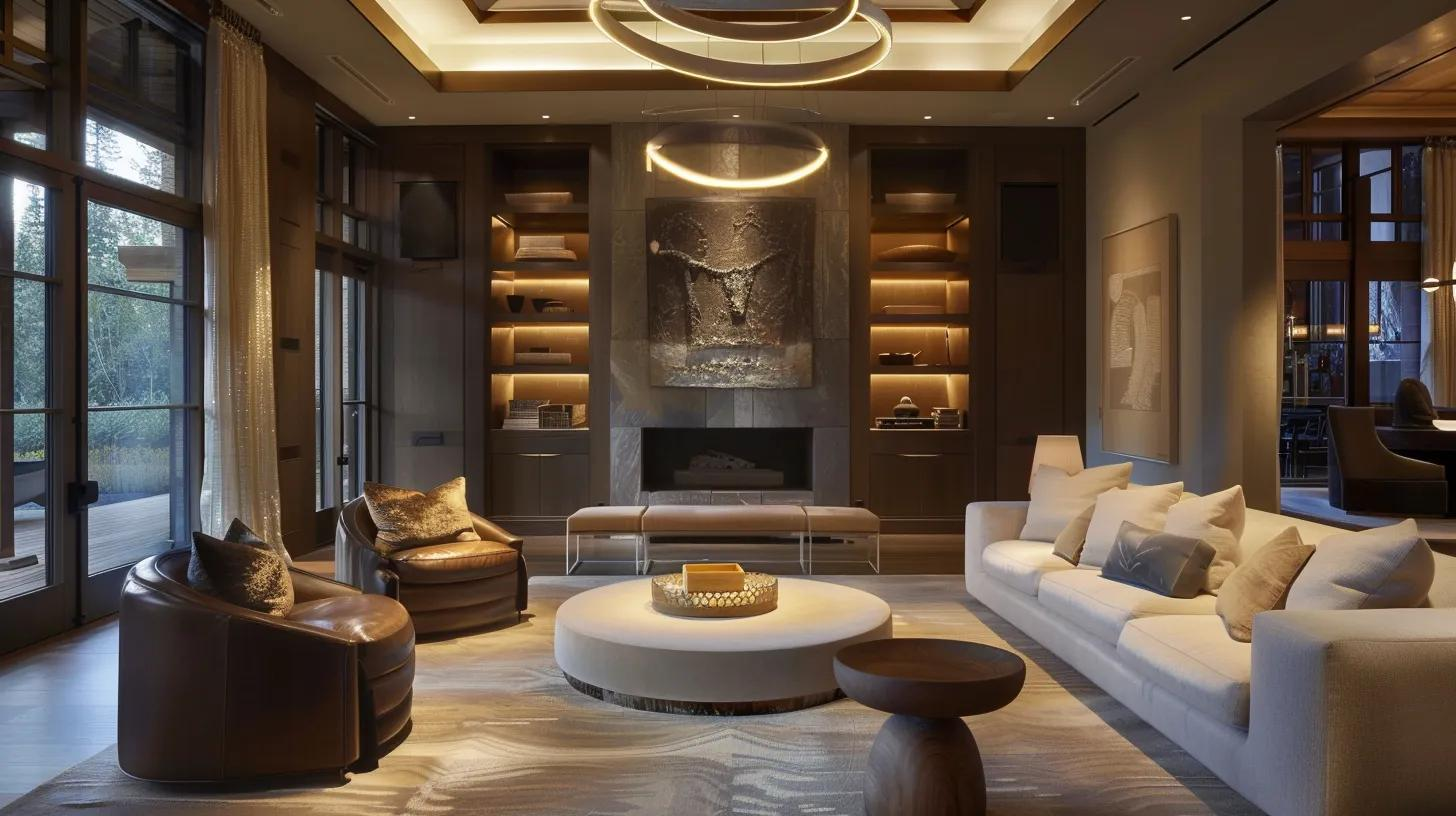
Custom Lighting Designs for Unique Spaces: Expert Solutions for Residential and Commercial Projects
Custom lighting transforms spaces by combining thoughtfully designed fixtures, precise placement, and intelligent controls to enhance both aesthetics and functionality. Whether for luxury residences, historic buildings, or brand-driven commercial environments, bespoke lighting solutions address unique architectural challenges that standard products cannot. In this guide, you will discover how professional custom lighting design works, from planning and specification to smart technology integration and energy-efficient strategies, while also exploring which spaces benefit most, key cost considerations, and real-world examples that demonstrate measurable results.
What Is Custom Lighting Design and Why Is It Essential for Unique Spaces?
Custom lighting design is the practice of developing tailored lighting concepts, fixture specifications, and control strategies to address specific architectural, operational, and experiential requirements of a project. It works by aligning layered lighting techniques, ambient, task, and accent with material finishes and sightlines so that light reveals form and supports use, improving safety and user experience. For unique spaces, bespoke lighting compensates for scale, historical constraints, and unusual sightlines that standard products or generic layouts cannot resolve. The following subsections illustrate mechanisms for enhancing aesthetics and list sector-specific benefits that drive decisions for residential and commercial projects.
How Does Custom Lighting Enhance Aesthetics and Functionality in Unique Spaces?
Custom lighting enhances aesthetics by using layered approaches to modulate color temperature, intensity, and direction, while simultaneously solving functional problems like glare, shadowing, and insufficient task illumination. Designers deploy cove and grazing techniques to reveal texture on stone or plaster, use uplighting and pendant groupings to give scale to vaulted ceilings, and introduce tightly cut accent light to guide sightlines through complex circulation. These interventions increase the perceptual depth and legibility of architecture while resolving pragmatic needs such as wayfinding and safety. Understanding these mechanisms leads directly to specific sector-driven benefits and measurable outcomes that clients can expect.
What Are the Key Benefits of Bespoke Lighting Solutions for Residential and Commercial Environments?

Bespoke lighting solutions deliver differentiated aesthetic expression and operational improvements tailored to occupant needs and building use-cases. Residential benefits include curated mood control, improved resale appeal through thoughtful fixture selection, and human-centric lighting design that supports sleep and daily rhythms. Commercial advantages range from brand-aligned atmospheres that increase dwell time to targeted product illumination that boosts sales per square foot and improves staff productivity. These sector-specific benefits explain why investment in custom lighting design frequently yields measurable returns in comfort, energy performance, and commercial metrics.
How Does the Professional Lighting Design Consultation Process Work?
A professional lighting design consultation follows a structured workflow that ensures design intent is accurately realized during installation. This process reduces risk by clarifying goals, documenting performance, producing construction-ready specifications, and supervising commissioning.
Typical Consultation Steps:
- Initial Consultation and Brief: Stakeholders define goals, budgets, and constraints, while designers gather images, schedules, and operational requirements.
- Site Analysis and Audit: On-site measurements, photometric surveys, and condition assessments provide a baseline for design decisions.
- Concept Design and Modeling: Schematic lighting concepts, renderings, and zoned control strategies communicate the intended look and performance.
- Specification and Documentation: Fixture schedules, control diagrams, and installation details are prepared for procurement and permitting.
- Procurement, Installation Oversight, and Commissioning: Designers assist with vendor selection, monitor installation, and verify commissioning to ensure project objectives are met.
Deliverables are tied to each milestone and may include concept boards, photometric files, fixture schedules, control narratives, and commissioning reports. Designers may provide on-site or remote audits, iterative design reviews, and vendor coordination to manage lead times and custom fabrication. This approach preserves lighting intent, supports coordinated integration with mechanical and electrical trades, and streamlines larger procurement or development projects.
For organizations seeking collaboration, we focus on helping new development and marketing clients scope consultations that align design goals with project objectives.
What Steps Are Involved in Planning and Specifying Custom Lighting Fixtures?
Planning and specifying custom lighting fixtures requires technical criteria, manufacturer coordination, and lead-time management to match design intent with performance. Key specification items include lumen targets for each zone, color rendering index (CRI) requirements to preserve material color fidelity, correlated color temperature (CCT) selection for atmosphere, beam distribution for task and accent control, and appropriate ingress protection (IP) for exterior or wet locations. Designers also document mounting conditions, finish samples, targeted maintenance access, and custom housing dimensions when bespoke fixtures are involved. These specification activities reduce on-site surprises and ensure fixtures meet both aesthetic expectations and code or performance requirements.
How Do Lighting Designers Collaborate with Architects and Interior Designers?
Lighting designers collaborate with architects and interior designers through coordinated design reviews, shared models, and integrated documentation to align aesthetic intent with structural and MEP constraints. Typical coordination points include schematic design meetings for spatial intent, construction documentation for flush mounting and ceiling penetrations, and mockup reviews to validate light levels and finish interactions. Tools such as BIM/CAD models and shared photometric files enable clash detection and early resolution of interface issues, while staged mockups and sample boards confirm finish and color interactions. Clear communication and regular touchpoints ensure that architectural lighting design complements finishes and spatial programming while minimizing late-stage change orders.
Which Types of Unique Spaces Benefit Most from Custom Lighting Designs?
Certain space types experience outsized returns from custom lighting because of their architectural complexity, occupant needs, or brand-driven objectives. Spaces like luxury residential homes, heritage properties, restaurants, galleries, and landscape facades all require tailored approaches to reconcile form, function, and technical constraints. Designers prioritize lighting goals, ambiance, safety, retail conversion, or conservation and select fixtures and controls that meet those distinct outcomes.
The following table compares common space types by primary lighting goals, typical fixture approaches, and expected outcomes to help clients prioritize investments.
| Space Type | Primary Lighting Goal | Typical Fixture Approaches |
|---|---|---|
| Residential (luxury homes) | Ambiance and daily usability | Layered ambient + dimmable task + sculptural focal fixtures |
| Hospitality & Restaurants | Atmosphere and brand experience | Tunable scenes, zoned controls, accent for key areas |
| Retail & Showrooms | Product visibility and sales uplift | High-CRI spotlights, adjustable track systems, and accent grazing |
| Museums & Galleries | Artifact preservation and visual clarity | Low-UV sources, precise beam control, dimming with presets |
| Landscape & Facades | Safety and architectural emphasis | IP-rated uplights/grazers, façade washes, timed controls |
What Are the Best Custom Lighting Approaches for Residential Spaces?
Residential projects benefit from a balance of aesthetic refinement and user-friendly controls that support daily life and special occasions alike. Best approaches include layered lighting, ambient recessed or cove lighting, task lighting in kitchens and studies, and accent fixtures to highlight artwork or architectural features, paired with simplified, scene-based controls that homeowners can operate easily. Custom fixtures serve as focal points in entryways or stairwells, while integrated solutions such as recessed linear cove systems conceal sources and highlight finishes. Prioritizing high-CRI LED sources preserves material tones, and considering maintenance access and driver location early prevents retrofit headaches.
How Is Commercial and Hospitality Lighting Tailored for Unique Environments?
Commercial and hospitality lighting is tailored to operational workflows, branding requirements, and durability considerations, using scene-based programming, zoned controls, and fixtures specified for long lifespans and serviceability. Restaurants often use layered dimming strategies to shift mood across service periods, while retail environments employ adjustable accent lighting to spotlight merchandising and enhance visual contrast. Hotels and public spaces emphasize wayfinding and safety with robust zoning and emergency integration, and specification choices balance initial cost with lifecycle energy-efficient lighting design benefits. Understanding these operational drivers helps teams measure outcomes such as guest satisfaction, sales per square foot, and energy performance.
How Can Smart and Energy-Efficient Technologies Be Integrated into Custom Lighting Designs?
Smart and energy-efficient integration means combining high-efficiency light sources with interoperable control systems and analytics to optimize energy, comfort, and operational workflows. Integration patterns include sensor-based occupancy and daylight harvesting, protocol-aware hubs supporting DALI, MQTT, or Zigbee, and edge/cloud analytics that inform scheduling and maintenance. Designers must plan for interoperability, cybersecurity, and user experience so that smart lighting integration enhances building operations rather than complicates them. The table below compares representative smart lighting control systems by compatibility, energy savings potential, and installation complexity to guide system selection.
| Control System | Compatibility | Energy Savings / Outcome |
|---|---|---|
| DALI-2 (Wired) | High with architectural luminaires | Precise zonal control; strong dimming = high savings |
| Zigbee (Wireless) | Good with off-the-shelf IoT hubs | Flexible retrofits; moderate savings with scenes |
| MQTT / BACnet (Integration) | Excellent with BMS | Enterprise analytics enables predictive maintenance |
| Standalone Sensor Networks | Varies by vendor | Fast deployment; variable savings depending on tuning |
What Are the Advantages of Smart Lighting Systems and IoT Controls?
Smart lighting systems provide automation, personalization, and operational insights that reduce energy use and improve occupant experience. Advantages include scheduling and scene-based controls for consistent brand presentation, sensor-driven dimming and daylight harvesting to lower consumption, and remote diagnostics that reduce on-site troubleshooting time. Scalable systems can integrate with building management systems for aggregated analytics, enabling lifecycle cost savings and data-driven maintenance prioritization. These operational benefits illustrate why smart lighting integration is now a core consideration for bespoke designs and why designers should plan for interoperability during specification.
How Do LED and Sustainable Lighting Solutions Reduce Environmental Impact?
LED and emerging OLED technologies reduce environmental impact through higher luminous efficacy, longer lifespans, and lower heat output compared with legacy sources, which cuts energy consumption and cooling loads. Sustainable choices extend beyond source selection to include recyclable fixture materials, replaceable driver modules, and specifications that prioritize total cost of ownership rather than first cost. Designers should consider lifecycle metrics, lamp efficacy, lumen depreciation, and end-of-life recyclability when selecting fixtures, and pair efficient sources with daylight harvesting and occupancy control to maximize energy savings. These choices reduce both operational costs and embodied environmental impacts over the life of a project.
What Are the Typical Costs and Factors Influencing Custom Lighting Design Projects?
Typical costs for custom lighting projects stem from a combination of design fees, fixture procurement, control system complexity, installation labor, and commissioning activities; together, these elements determine total project investment and value. Fixture selection and custom fabrication often dominate hardware costs, while advanced control systems and integration add to engineering and commissioning budgets.
| Cost Driver | Typical Price Range | Impact on Timeline / Outcome |
|---|---|---|
| Standard LED fixtures | Low–Medium (relative) | Short lead times; fast install |
| Custom-fabricated fixtures | High | Longer lead times; premium visual result |
| Advanced controls & BMS integration | Medium–High | Additional engineering and commissioning |
| Design & documentation hours | Variable | Early investment reduces on-site changes |
| Installation & commissioning | Medium | Ensures performance; necessary for guarantees |
Which Elements Affect Pricing for Bespoke Lighting Solutions?
Pricing is influenced by custom fabrication, CRI and CCT specifications, control system complexity, site access, scaffolding needs, and any historical-preservation requirements. Lead times for custom finishes and fixture sizes can increase costs and extend schedules.
Clients with limited budgets can maximize value by prioritizing high-impact areas, combining bespoke fixtures in focal zones with standard high-quality luminaires elsewhere, and selecting energy-efficient solutions to reduce operating costs. These approaches help align procurement with project goals while balancing quality and budget.
How Can Clients Maximize Value While Managing Budget Constraints?
Clients maximize value by prioritizing areas with the highest experiential or operational impact, standardizing controls across areas where possible, and selecting fixtures with favorable lifecycle metrics to reduce total cost of ownership. Prioritization checklists help focus bespoke investment on entry sequences, public-facing hospitality spaces, or premium retail displays where lighting most influences perception. Specifying modular fixtures with replaceable optics and drivers reduces future retrofit costs, and ensuring commissioning confirms performance prevents costly post-install adjustments. These tactics keep bespoke intent intact while balancing financial constraints.
How Do Case Studies Demonstrate the Impact of Custom Lighting in Unique Spaces?
Case studies reveal how problem-driven interventions produce measurable improvements in energy, user satisfaction, and commercial performance. A disciplined problem → design response → measurable result structure clarifies decision-making and outcomes for stakeholders. Below are concise case vignettes, one residential and one commercial, that highlight common constraints, the bespoke solutions applied, and quantified outcomes when available.
What Challenges and Solutions Are Highlighted in Residential Lighting Projects?
In a residential scenario with a heritage living room and deep-set windows, challenges included preserving historic plasterwork while improving usable light levels without visible modern hardware. The design response combined concealed linear cove lighting for ambient balance, high-CRI accent spots for artwork, and scene-based controls for daily and evening modes. Results showed improved occupant satisfaction, easier maintenance access through remote driver placement, and a demonstrated reduction in energy use after installing efficient LED solutions paired with occupancy sensors. Lessons from this vignette emphasize design that respects materiality while introducing modern control simplicity.
How Have Commercial Projects Benefited from Tailored Lighting Designs?
In a boutique restaurant project, designers used zoned scenes, tunable white lighting, and targeted accents to enhance guest experience and reduce operational costs. Results included longer table dwell times, positive guest feedback, and energy savings from optimized dimming and scheduled scenes. Staff training and maintenance plans ensured long-term performance.
Conclusion
Custom lighting transforms both residential and commercial spaces by improving aesthetics, functionality, and energy efficiency. At Light Disty, we specialize in designing and delivering bespoke lighting solutions that meet unique architectural and operational needs. Our team helps clients plan, specify, and implement lighting strategies that elevate spaces while supporting development and marketing goals. Contact us to explore how tailored lighting can create measurable results for your next project.