FREE LARGE PROJECT CONSULTATION
CLICK HERE to schedule an appointment with our lighting expert.
5% OFF ANY ORDER Use Code: SUPER5OFF

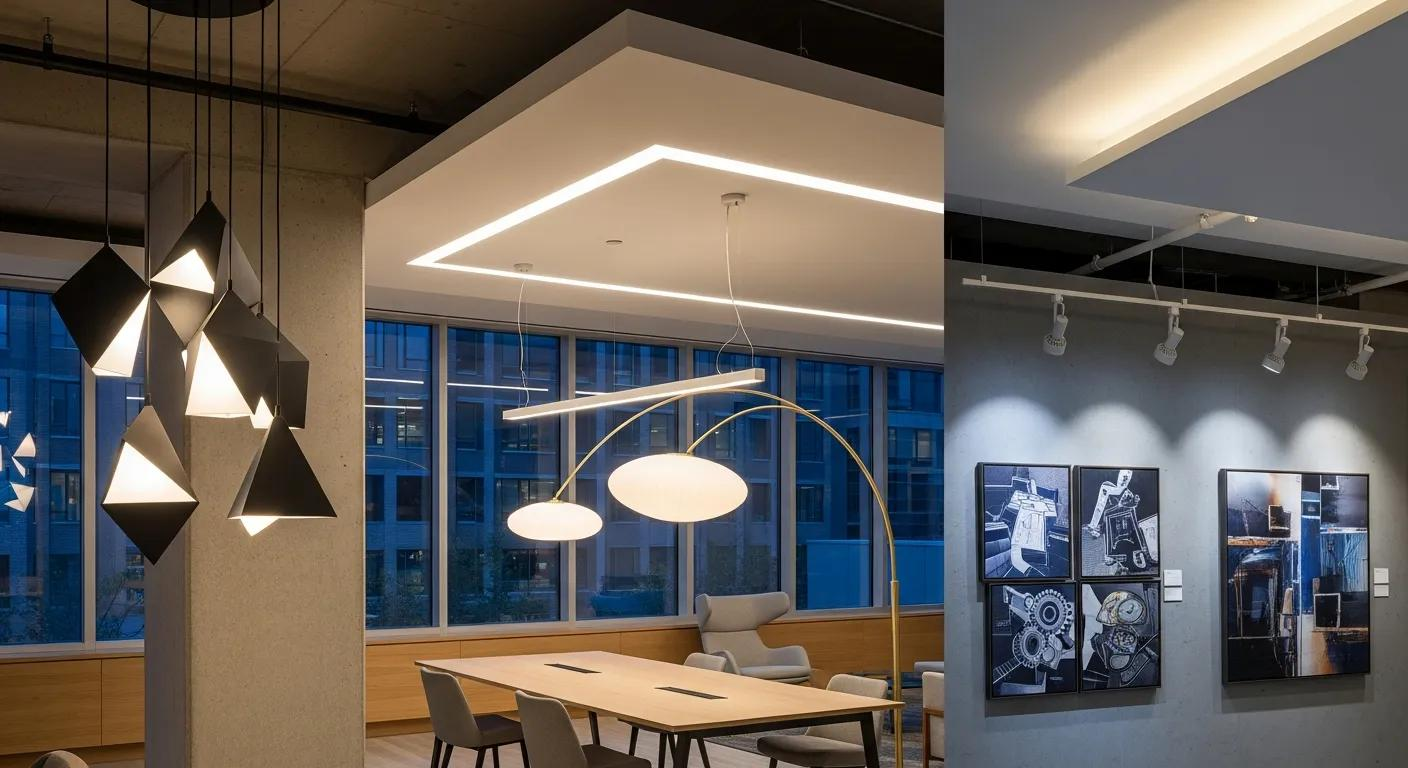
Understanding the Key Factors That Drive Pricing for Specialty Lighting Products and Services
Specialty lighting isn’t just about brightening a space; it’s about creating the right look, feel, and functionality for architectural, commercial, and landscape projects. The cost of these lighting solutions can vary significantly, influenced by factors such as materials, technology, manufacturing, and the scope of services involved. In this guide, we break down the key factors that drive pricing, including material quality and finishes, LED performance, smart controls, and labor requirements. You’ll also learn how to evaluate the total cost of ownership, weigh upfront investment against long-term savings, and make choices that balance aesthetics, durability, and budget. Whether you’re planning a new development or upgrading an existing space, understanding these variables helps you set realistic budgets, specify resilient solutions, and make informed decisions that maximize both value and impact.
What Are the Primary Material Quality Factors Influencing Specialty Lighting Costs?
The cost of specialty lighting is heavily influenced by the materials used, as well as how they are finished and sourced. Key material factors include the choice of base metal, surface finishes and coatings, and sourcing considerations. Each of these elements affects not only the durability and corrosion resistance of a fixture but also its final price. Higher-quality materials and finishes often carry higher upfront costs because they may require more intricate fabrication or additional labor, but they can reduce maintenance and replacement needs over time, improving overall lifecycle value.
Three material attributes most directly impact both price and longevity:
- Base metal selection: Premium metals like marine-grade stainless steel (typically 316 grade) or brass command a higher per-unit cost but extend lifecycle in corrosive environments.
- Finishes and coatings: IP-rated coatings, powder coat systems, or chromatic anodizing add processing costs but reduce long-term maintenance.
- Sourcing and MOQ: Domestic sourcing and low-volume runs increase unit cost through higher labor and smaller economies of scale.
How Do High-Grade Materials and Finishes Affect Lighting Pricing?
Premium metals and advanced finishes increase both material and fabrication costs due to more expensive raw inputs, tighter tolerances, and extra processing steps. Protective coatings and aesthetic finishes add upfront cost but reduce maintenance and replacements over time. Understanding these trade-offs helps balance initial spend with long-term value.
| Material / Finish | Durability & Lifecycle | Price Impact |
|---|---|---|
| Aluminum (anodized) | Good corrosion resistance; moderate lifespan in indoor and sheltered outdoor settings | Moderate; cost-effective for medium volumes |
| Stainless steel (304/316) | High corrosion resistance; long lifecycle in exterior/marine sites (316 preferred for marine) | High increases the material and fabrication cost |
| Brass / Bronze | Premium appearance; develops weathering patina over time | High; increases material, machining, and finish costs |
| Powder coat (high-spec) | Adds corrosion protection; extends coating life | Moderate to high; adds processing and QA costs |
| Specialty coatings (marine/IP-rated) | Designed for salt or chemical exposure; longest protection | Very high; significant processing and testing costs |
This table clarifies how superior materials and finishes trade initial price for longer service life, guiding specification decisions toward lifecycle cost optimization.
What Role Do Manufacturing Volume and Process Play in Material Costs?
Manufacturing volume and fabrication methods directly affect per-unit pricing. Low-volume or custom fixtures require unique tooling, hand-finishing, or programming, which raises costs. Mass production reduces unit cost through standardized processes like injection molding or automated assembly. Additive manufacturing allows complex designs, but can be costly at typical specialty project volumes.
A short list shows manufacturing cost levers to manage price without sacrificing design goals:
- Tooling amortization: Spreading setup costs over larger runs reduces per-unit price.
- Process selection: Automated processes lower labor costs but require upfront capital for tooling.
- Batch planning: Consolidating orders into larger batches often yields volume discounts.
How Does Technology Integration Impact Specialty Lighting Pricing?
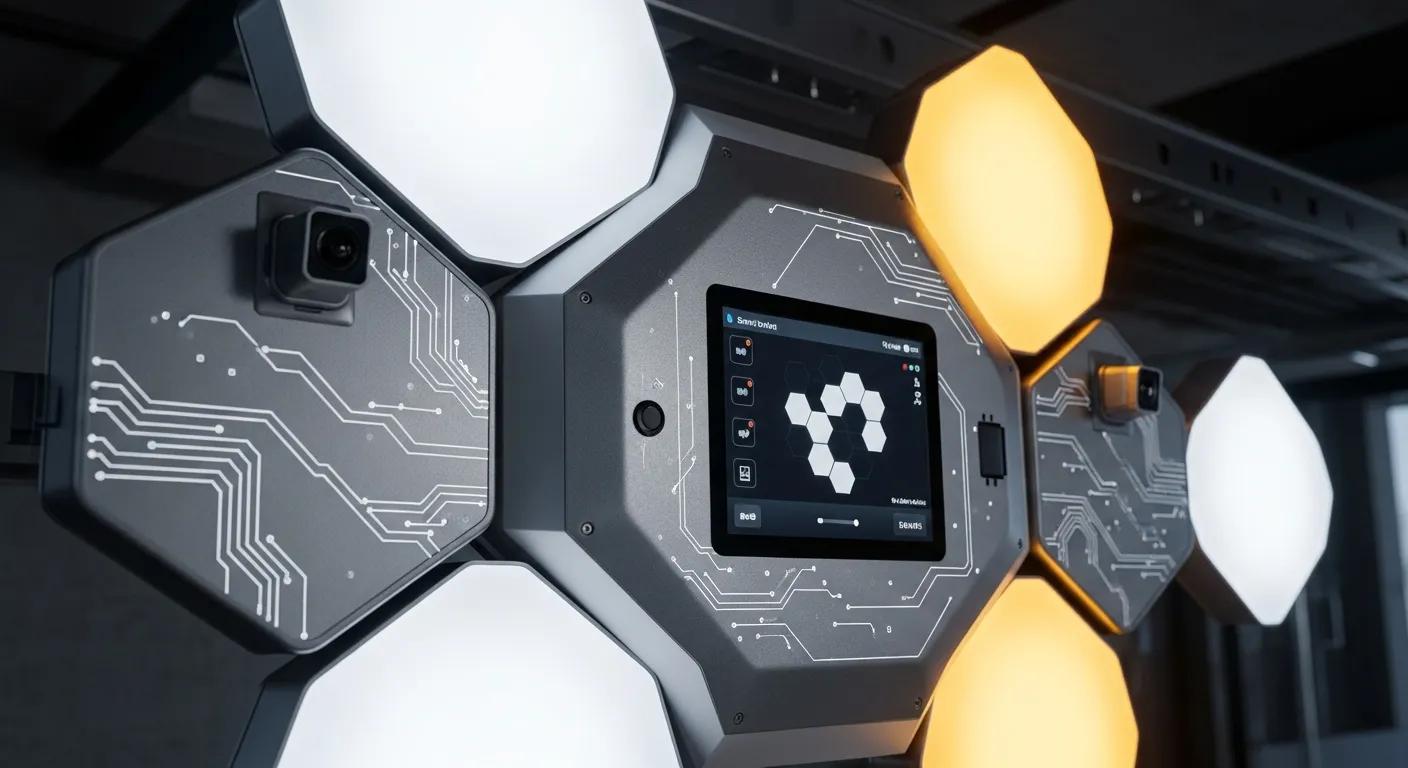
Technology choices, including LEDs, drivers, optics, sensors, and controls, directly affect fixture performance, installation complexity, and operational costs. High-spec LEDs, precision optics, and smart controls improve visual quality and functionality but increase upfront costs and commissioning effort. Over time, these choices can deliver energy savings, lower maintenance, and better ROI.
Key technology cost drivers:
- LED modules and binning: Higher CRI and tighter color consistency increase LED cost but improve design fidelity.
- Drivers and thermal management: Premium drivers and heat sinks lengthen service life and reduce failure rates.
- Optics and lenses: Custom optics raise manufacturing cost but deliver precise light distribution that reduces fixture counts.
- Sensors and controls: Networked controls increase integration cost but can lower energy bills and maintenance.
| Technology Component | Upfront Cost & Complexity | Operational Impact & ROI |
|---|---|---|
| High-CRI LEDs | High cost for premium bins; tighter QA | Better color fidelity; may reduce fixture count and rework |
| Drivers (programmable) | Moderate to high; adds design integration | Improved lifetime and dimming accuracy; lower maintenance |
| Optics & lenses | Custom tooling increases unit cost | Precise distribution reduces spill and fixture quantity |
| Sensors & wireless controls | Network hardware and commissioning increase the budget | Energy savings, scheduling, and diagnostics reduce OPEX |
| Thermal management | Higher material and assembly costs | Extends LED life; lowers lumen depreciation impact |
What Are the Cost Factors of LED Components in Specialty Lighting?
LED component costs depend on bin quality, lumen output per watt, color rendering (CRI), and thermal design. High-CRI LEDs with tight color consistency carry a premium due to stricter sorting and testing, and supporting optics add tooling and alignment costs. Driver selection, including constant current or programmable options, surge protection, and dimming protocols, affects reliability and commissioning complexity. Premium drivers reduce failure rates but increase upfront spend. Thermal management elements such as heat sinks and housing designs impact LED lifespan and lumen maintenance, with underspecified systems lowering initial cost but raising replacement and maintenance expenses. Evaluating these factors helps teams balance aesthetic goals with long-term operating costs and prepares specifications for control system integration.
How Do Smart Controls and Automation Affect Project Budgets?
Smart control systems range from simple occupancy sensors to full building management integration, with cost and commissioning time increasing with complexity. Basic sensor-based dimming and photocontrols offer immediate energy savings at modest cost. Networked lighting controls require additional hardware, software, and skilled commissioning, raising upfront budgets. Integration with BAS, BMS, or IoT adds testing, cybersecurity, and possible licensing fees but enables scheduling, fault detection, and analytics that reduce maintenance and energy costs over time. Proper budgeting for commissioning labor ensures functionality and maximizes ROI. Control system tiers:
- Entry-level: Occupancy/photocell controls, low cost, immediate savings
- Mid-tier: Zonal network controls, moderate cost, scheduling, and scenes
- Enterprise-tier: Full BMS integration, higher cost, analytics, and remote management
Understanding these costs helps teams balance initial investment with long-term operational benefits.
What Service-Related Costs Influence Specialty Lighting Project Pricing?
Service costs include design fees, prototyping, customization, installation, testing, and project management, often making up a significant part of total project pricing. Complex designs require more engineering hours, revisions, and prototyping. Challenging installations increase labor and specialty subcontracting. Project management and commissioning help prevent rework and warranty issues, saving costs over the lifecycle. Consulting and value engineering can further reduce the total cost of ownership by optimizing components and systems.
Key service cost drivers:
- Design and engineering fees: Custom forms and specifications increase professional hours
- Prototyping and testing: Iterative samples and photometric checks add material and labor cost
- Installation complexity: Site constraints, specialized mounting, and coordination raise labor rates
- Commissioning and QA: Proper commissioning reduces faults and costly rework
Understanding these factors highlights how early consulting and value engineering help control budgets while maintaining design quality.
How Does Design Complexity and Customization Drive Pricing?
Custom fixture designs and integrated aesthetics increase project costs through additional engineering, tooling, and prototype cycles. Unique forms or small-batch fabrication raise per-unit prices, while integrated optics and multiple finishes require tighter tolerances and more quality checks. Iterative prototyping adds time and cost but ensures performance and proper installation. Aligning early on design goals and acceptable iterations helps control budgets while achieving the intended results.
What Are the Key Labor and Installation Cost Drivers?
Labor and installation costs depend on hours, site access, specialty trades, and commissioning scope. High ceilings or exterior sites need lifts, fall protection, and coordinated trades, increasing costs and schedule risk. Retrofits can be more expensive than new construction due to wiring, ceiling, or structural adjustments. Skilled electrical labor for controls and certified commissioning adds upfront cost but ensures performance and longevity.
Budgeting tips:
- Plan for access equipment: Lifts and access systems often add daily rental and labor costs.
- Scope retrofit unknowns: Allocate contingencies for existing condition surprises.
- Contract commissioning separately: Commissioning ensures system performance and reduces rework.
How Do Market and External Factors Affect Specialty Lighting Pricing?
Pricing is influenced by demand, competition, supply chain conditions, tariffs, and regulations. Component scarcity or high demand, such as for specific LED bins or drivers, can raise costs and extend lead times. Regulatory changes like energy efficiency standards or material restrictions add compliance costs and may require redesigns. Shipping, tariffs, and raw material inflation create additional variability, making early sourcing and lead-time planning essential.
The following list summarizes common market and external cost drivers that procurement should monitor.
- Raw material price swings: Metal and electronic component costs can rise quickly, increasing BOM costs.
- Shipping and tariffs: Logistics disruptions and tariff changes add unpredictable expense and time.
- Regulatory compliance: Certification and testing add development time and cost to product launches.
Having identified these external pressures, the next subsection discusses how demand and competition shape pricing strategies.
How Do Market Demand and Competition Influence Pricing Strategies?
Pricing is shaped by market demand and competition. In niche markets, scarce aesthetics or high-performance fixtures allow higher margins and premium pricing. In competitive markets, suppliers often lower prices and differentiate through service, warranties, or bundling. Understanding whether a market is supplier-driven or buyer-driven helps development and marketing teams make strategic decisions on material quality, customization, and service offerings.
What Is the Impact of Supply Chain Fluctuations and Regulations on Costs?
Supply chain issues and regulatory requirements can increase both costs and project timelines. Component shortages, longer lead times, and shipping volatility raise procurement expenses or require redesigns. Compliance testing for safety, energy efficiency, and performance adds development time and budget. Mitigation strategies include multi-sourcing, early ordering of long-lead items, and keeping buffer inventory to reduce schedule risk and stabilize pricing.
Why Is Understanding Value and ROI Critical in Specialty Lighting Investments?
Assessing value and ROI shifts the focus from initial cost to total cost of ownership (TCO), including energy, maintenance, replacements, and intangible benefits like brand impact. Evaluating TCO helps justify higher upfront investment in premium materials, efficient LEDs, or smart controls by showing savings in energy, maintenance, and improved user experience. Comparing low upfront cost versus lower lifecycle cost scenarios reveals payback periods and supports financing or incentive decisions.
Use the following list to structure a simple TCO evaluation before diving into example calculations:
- Calculate initial procurement and installation costs.
- Estimate annual energy and maintenance costs.
- Include replacement and downtime costs over 5–15 years.
- Quantify intangible benefits like brand lift or occupant satisfaction.
An EAV-style TCO table below provides concrete categories for side-by-side comparison.
| Cost Category | Initial Cost | Ongoing Cost & Benefit |
|---|---|---|
| Fixture purchase | Example: $500 per unit | Lower-quality fixtures may cost less initially, but require earlier replacement |
| Installation & commissioning | Example: $200 per unit | Proper commissioning reduces faults and lowers maintenance costs |
| Energy consumption | Example: $50/year | Higher-efficiency choices reduce annual OPEX and payback time |
| Maintenance & replacement | Example: $30–$100/year | Durable materials lower cumulative costs over service life |
This structured comparison helps teams convert specification choices into dollars-and-years trade-offs, transitioning to a practical sample calculation in the next subsection.
How Does Total Cost of Ownership Compare to Initial Pricing?
Total cost of ownership (TCO) sums procurement, installation, energy use, maintenance, and replacement costs over a project’s lifespan, usually 5–15 years, allowing stakeholders to compare options fairly. For instance, a $750 premium fixture with a 15-year lifespan may cost less over time than a $400 fixture lasting only 5 years due to fewer replacements, lower maintenance, and reduced downtime.
TCO analysis should include energy modeling, maintenance labor, and replacement parts. Sharing these calculations with finance and marketing teams helps determine if the investment aligns with brand and operational goals, and whether incentives or rebates could improve ROI.
A brief list frames steps for a fast payback estimate for project stakeholders:
- Estimate lifecycle years for each option.
- Project annual energy and maintenance for that time horizon.
- Calculate the cumulative cost and compare the per-year expense to find the payback.
What Are the Benefits of Energy Efficiency and Sustainability in Pricing?
Energy-efficient and sustainable lighting impacts costs through lower operating expenses, incentives, and brand value. High-efficiency LEDs paired with smart controls reduce energy use and demand charges, shortening payback periods. Sustainability measures can qualify for rebates or tax incentives and support ESG reporting, enhancing project appeal and tenant attraction.
Incorporating these factors into total cost of ownership calculations helps justify higher upfront investments, showing long-term savings and value. This framework also addresses common client questions when setting budgets, supporting faster, informed decision-making.
What Common Questions Do Clients Have About Specialty Lighting Pricing?
Clients often seek quick guidance on key cost drivers and ballpark pricing to set realistic budgets. Clear answers help procurement and development teams move from concept to actionable budgets while avoiding underestimation. Professional consulting and value engineering can further optimize costs and preserve design intent.
Key Factors Affecting Specialty Lighting Pricing:
- Material selection and finish: Premium metals and protective coatings raise unit price but lower lifecycle replacement needs.
- Technology and components: High-CRI LEDs, drivers, optics, and controls increase upfront cost but can cut energy and maintenance.
- Services and labor: Design complexity, prototyping, installation access, and commissioning are significant line items.
- Market and compliance: Supply chain volatility, tariffs, and certification requirements add schedule and budget risk.
What Are the Main Factors That Affect Specialty Lighting Pricing Decisions?
The main factors that influence pricing include material and finish choices, component and control specifications, the scope of design and installation services, and external market or regulatory pressures. Each factor interacts with others; for example, specifying a high-CRI LED may require different optics and thermal management and trigger higher testing and commissioning needs. Development and marketing stakeholders should prioritize which outcomes, brand experience, energy savings, or lifecycle cost matter most, then align specifications and service scope accordingly. Early-stage consulting and value-engineering can reconcile competing priorities by modeling TCO and recommending cost-saving substitutions that preserve visual intent.
How Much Does a Custom Lighting Design Project Typically Cost?
Custom lighting projects vary widely, but general ballpark ranges help guide budgets. Small retrofits or pilot installations may start in the low thousands, while large commercial projects can range from tens to hundreds of thousands, depending on scope, customization, and control systems.
Factors that increase costs include bespoke fixtures, complex controls, extensive prototyping, and challenging site conditions. Using standard fixtures with moderate finishes and simple controls can reduce budgets while meeting performance goals.
For accurate sizing and total cost of ownership analysis, professional consultation is often recommended. Expert guidance in specification optimization and value engineering helps balance design, schedule, and lifecycle costs while supporting ROI and attracting new development or marketing clients.
Conclusion
Understanding the key factors that drive pricing for specialty lighting products helps teams make smarter decisions that balance upfront costs with long-term value. By carefully evaluating materials, technology, and service-related expenses, projects can stay on budget while delivering reliable performance. At Light Disty, we work closely with designers, contractors, and procurement teams to simplify product selection and improve cost efficiency. If you need practical guidance for your next lighting project, our team is always available to help you make confident, informed choices.